
The plastic smell of the tea bar machine can be removed by ventilation and drying, white vinegar cleaning, boiling tea leaves in water, activated carbon adsorption, baking soda wiping, and other methods. The plastic smell may come from the volatilization of materials from new machines or residual odors caused by long-term uncleanliness. It usually does not cause direct harm to the human body, but may affect the taste of drinking water.
1. Ventilation and drying
Place the tea bar machine in a well ventilated area, open all removable parts such as the water tank, lid, etc., and continue to ventilate for several days. The ultraviolet rays in sunlight help accelerate the decomposition of volatile substances in plastics, but it is necessary to avoid exposure to sunlight that can cause deformation of the outer shell. During ventilation, the internal pipes can be flushed with water multiple times to reduce odors.
2. White Vinegar Cleaning
Soak the water tank and heating chamber of the tea bar machine in a 1:3 mixture of white vinegar and water, let it stand for half an hour, and then activate the heating function to boil. Acetic acid can neutralize some plastic odor molecules and also sterilize and disinfect. After boiling, completely pour out the vinegar and rinse 3-5 times with clean water until there is no residual sour taste.
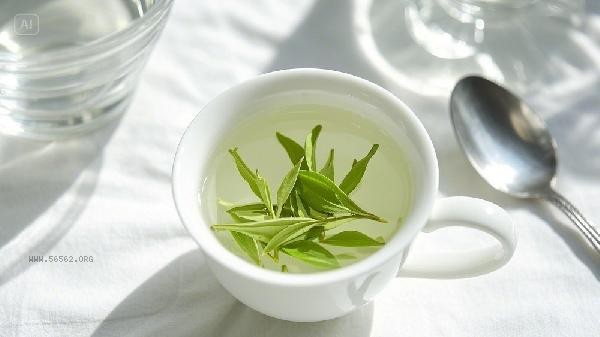
3. Boil tea leaves in water
Add fresh tea leaves and water to the tea bar machine, boil and let it stand for 2 hours. Tea polyphenols have the ability to absorb odors, and it is particularly recommended to use low fermentation green or white tea. After processing, pour out the tea soup and rinse the inner container with clean water. The tea residue can be used to wipe the gaps outside the machine.

4. Activated carbon adsorption
Load food grade activated carbon particles into a gauze bag and place it in the water tank of the tea bar machine for 48 hours. The porous structure of activated carbon can effectively adsorb small molecule odor substances, and water should be replaced every 8 hours to enhance the effect. After processing, remove the charcoal pack and thoroughly rinse the machine.
5. Baking soda wiping
Use a damp cloth dipped in edible baking soda powder to wipe the plastic contact surfaces such as the inner wall and sealing ring of the tea bar machine. The micro particles of baking soda can be physically rubbed to remove surface odor substances. For stubborn stains, apply baking soda paste for 10 minutes, clean the gaps with a cotton swab after treatment, and finally rinse with clean water.
It is recommended to choose a tea bar machine that meets national food grade standards for daily use. Before the first use, it should be boiled and disinfected with water 3-5 times. When reusing after long-term storage, it is necessary to check whether the silicone fittings have aged and produced odors. If the plastic odor persists for more than two weeks or is accompanied by turbid water quality, there may be material degradation issues, and equipment replacement should be considered. Regular cleaning with citric acid can prevent the accumulation of scale and odors, and maintain healthy drinking water.








Comments (0)
Leave a Comment
No comments yet
Be the first to share your thoughts!