
The oil steamed from steamed meat can be collected for cooking or discarded directly, depending on the cleanliness of the oil and personal needs.

During the steaming process, steamed meat will release some oil, which usually mixes the aroma of the meat and the flavor of the seasoning. If the oil is clear and free of impurities, it can be filtered and used for stir frying or mixing noodles, which can enhance the aroma of other dishes. Before use, the grease should be left to cool, and the residue should be filtered out using a fine mesh or gauze. It should be stored in a clean container and refrigerated. However, it should be noted that the repeated use should not be too many times to avoid harmful substances produced by oil oxidation. If the oil is cloudy or contains a large amount of seasoning residue, it is recommended to discard it directly. This type of oil may contain excessive moisture and protein debris, which can easily breed bacteria and have a poor flavor. When discarding, wait for the oil to cool and solidify, then use kitchen paper to absorb it and dispose of it as kitchen waste. Avoid pouring liquid oil directly into the sewer to prevent pipeline blockage. When steaming powdered steamed meat, a steaming rack can also be placed on top or a high-temperature resistant steaming tray can be used to reduce direct contact between oil and ingredients, and decrease the amount of oil leakage.
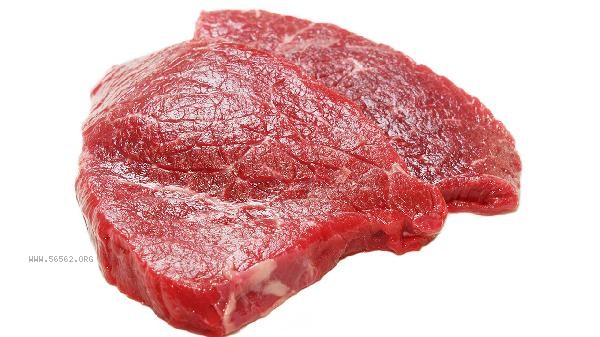
It is important to pay attention to the intake of animal fats in daily diet, as excessive consumption may increase cardiovascular burden. Suggest pairing vegetables and fruits rich in dietary fiber, such as broccoli, celery, etc., to help metabolize fat. When cooking, you can choose parts with a higher proportion of lean meat, or blanch them in advance to remove some oil, which retains flavor and reduces health risks. When dealing with kitchen waste oil, it is necessary to properly classify the waste and protect the environment.








Comments (0)
Leave a Comment
No comments yet
Be the first to share your thoughts!