
The fishy smell of pig liver can be effectively treated by soaking it in water to remove blood, blanching it to remove fishy smell, marinating and seasoning it, pairing it with ingredients to remove fishy smell, and quick cooking.

1. Soak in blood free water
Fresh pig liver should be soaked in clean water or diluted salt water for more than 30 minutes, and the water should be changed 2-3 times during this period. Blood is the main source of fishy odor, and sufficient soaking can dissolve most of the hemoglobin and residual metabolites. If there is enough time, it can be refrigerated and soaked for 2 hours. Adding a little white vinegar or lemon juice to the water can accelerate the precipitation of blood. During processing, the surface fascia and blood vessels need to be removed, soaked and drained before proceeding to the next step.
2. Blanch to remove fishy smell
Put sliced pig liver into boiling water and blanch for 10-20 seconds. Brown foam will appear on the water surface, skim it off in time, and then remove and rinse. Blanching water can solidify surface proteins and lock in nutrients, while removing residual blood and fishy substances. Pay attention to controlling the time to avoid overcooking, and soak in ice water after blanching to maintain a tender and smooth taste. Cooking with ginger slices, scallions, or cooking wine can enhance the deodorizing effect.
3. Marinate and Seasoning
Marinate with cooking wine, ginger juice, scallion white, pepper powder and other seasonings for 15 minutes. Alcohol and volatile components can decompose the fishy odor molecules. Starch and egg white wrapping can form a protective layer to reduce the emission of fishy odor, and adding a little sugar can neutralize the bitterness. Fermented condiments such as bean paste and Fermented bean curd can be used to cover the fishy smell of heavy flavor dishes, but salt intake should be controlled.
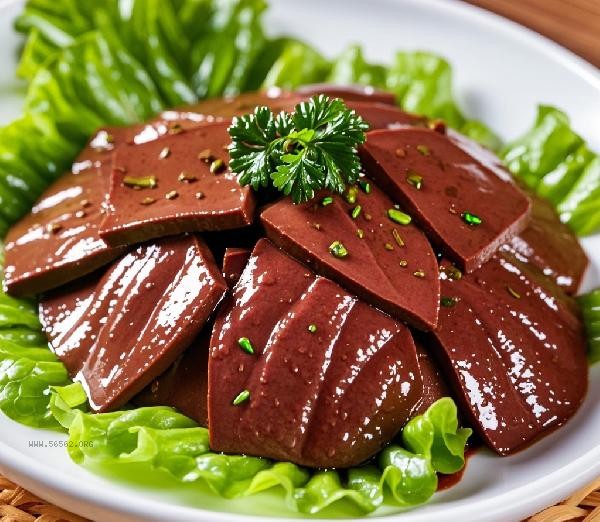
4. When cooking, add sulfur-containing ingredients such as ginger, garlic, onions, green peppers, etc., and convert the fishy substances through the Maillard reaction. Sour ingredients such as tomatoes, lemons, and vinegar can neutralize fishy amines, while herbs like perilla, lemongrass, and basil contain terpenes that can mask unpleasant odors. High temperature and fast cooking during stir frying can evaporate fishy substances.
5. Rapid cooking
Excessive heating of pig liver can release a strong fishy smell. It is recommended to use short-term cooking methods such as stir frying and blanching. When stir frying, the oil temperature should be above 180 degrees. First, lubricate the oil to lock in the juice, and then stir fry quickly for 1-2 minutes. When making soup, boil it in the last pot and turn off the heat. Barbecue dishes can be coated with honey or sauce to form a burnt aroma layer and mask the fishy smell.
For daily processing of pig liver, it is recommended to choose fresh ingredients with bright color and good elasticity. Frozen pig liver should be thoroughly thawed before processing. Anemic individuals should consume no more than 100 grams per week, while hyperuricemia patients should control their intake. Pairing vegetables and fruits rich in vitamin C can help with iron absorption, and consuming them as soon as possible after cooking can avoid a resurgence of fishy odor. If you are sensitive to visceral odors, you can try replacing them with chicken liver or duck liver, which have a relatively mild fishy smell and are rich in the same nutrients.








Comments (0)
Leave a Comment
No comments yet
Be the first to share your thoughts!