
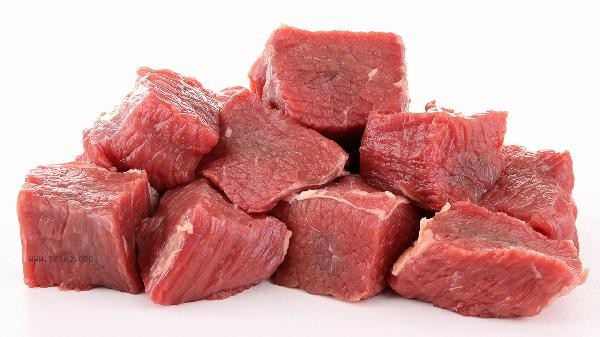
After cooking beef, if it has a fishy smell, it can be treated by blanching, flavoring to remove the fishy smell, acid seasoning neutralization, refrigeration to remove acid, and selecting high-quality parts. Boiling raw beef in cold water can effectively remove blood foam and fishy substances. Adding ginger slices or cooking wine when blanching can enhance the effect of removing fishy smell. After boiling, continue to skim off the foam until the soup color is clear. After blanching, the beef should be washed with warm water to remove any residual impurities on the surface and prevent the fishy smell from seeping back. Note that the blanching time should not be too long, otherwise it may cause the meat to turn dry.
2. Removing fishy odors from spices
The volatile components contained in spices such as star anise, cinnamon, and grass fruit can decompose fishy odor molecules. When stewing, spices can be packed in gauze bags, which are easier to penetrate when in direct contact with beef. The combination of Sichuan pepper and fragrant leaves can create a complex fragrance to mask the fishy smell, but the amount should be controlled to avoid masking the meaty aroma. It is recommended to dry stir fry the spices to release their fragrance before adding water and stewing.
3. Acidic seasoning
Organic acids in lemon juice, vinegar, or tomatoes can neutralize fishy amine substances. When marinating, using red wine or pineapple juice can make the meat more tender and remove fishy smell. Adding hawthorn slices later in cooking can enhance the flavor. Be aware that adding acidic substances too early can cause the meat to tighten. It is recommended to add them during the final stage of stewing.
4. Refrigerate and remove acid
Fresh beef should be refrigerated for more than 12 hours to allow the natural breakdown of lactic acid in the meat, which can reduce the fishy smell. When removing acid, the meat should be placed in a breathable container to avoid sealing and breeding bacteria. Beef muscle fibers that have been acidified are more relaxed, making it easier for fishy substances to dissolve during subsequent cooking. This method is particularly suitable for parts such as beef brisket that are rich in oil.
5. Choose high-quality parts
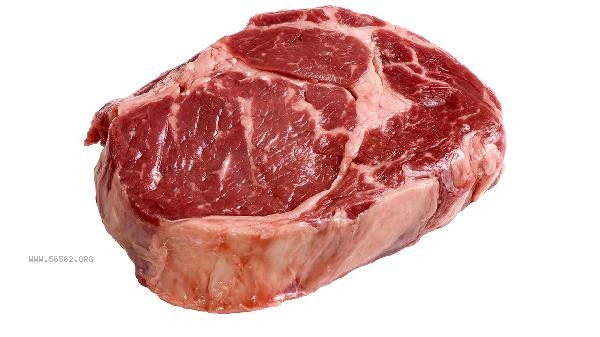
Beef tenderloin, tendon and other parts with less exercise have a lighter fishy smell, and avoid choosing old cattle or uncircumcised beef. When purchasing, it is best to observe that the meat color is bright red and shiny, with fat and milky white. Frozen meat should be checked for repeated thawing marks. Grass fed beef usually has a more pronounced fishy taste than grain fed beef, and grain fed varieties can be preferred.
It is recommended to combine various methods to remove fishy smell in daily beef processing, such as blanching first and then stewing with spices. Maintain a constant water temperature during the cooking process to avoid severe boiling that may cause fishy substances to re penetrate the meat. Cooking with root vegetables such as white radish and carrots can absorb odors, and finally sprinkling with fresh herbs can enhance the overall flavor level. If the fishy smell persists, it may be a meat quality issue, and it is recommended to change the purchasing channel.








Comments (0)
Leave a Comment
No comments yet
Be the first to share your thoughts!