
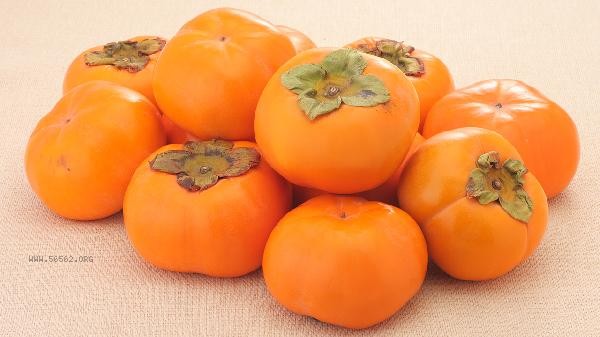
The astringency of frozen persimmons can be removed by soaking them in warm water or sealing them with ripe fruits. The astringency of persimmons is mainly related to factors such as high tannin content, incomplete ripening, improper freezing methods, variety characteristics, and improper storage environment.

1. Soak in Warm Water
Soak frozen persimmons in warm water at around 40 ℃ for 12-24 hours, keeping the water temperature constant. Warm water can promote the decomposition and transformation of tannins, reducing the intensity of astringency. This method is applicable to most persimmon varieties, and care should be taken to avoid softening the flesh due to high water temperature during operation. If there is still a slight astringency after soaking, it can be repeated 1-2 times.
2. Ripening of Mature Fruits
Store frozen persimmons and fruits with high ethylene release, such as apples and bananas, in a sealed container for 2-3 days. Ethylene can accelerate the degradation process of tannins and promote the conversion of starch into sugar. This method has a significant effect on partially matured frozen persimmons, but it needs to be checked daily to avoid over ripening. Using breathable plastic bags can prevent the accumulation of moisture.
3. Peeling treatment
Removing the frozen persimmon skin can reduce the intake of tannins from the skin. The tannin concentration near the skin of persimmons is relatively high, and the astringency is significantly reduced after peeling. It is recommended to retain some of the connection between the flesh and skin during processing to maintain the integrity of the fruit shape. This method is suitable for ready to eat scenarios and is more convenient for completely thawed persimmons.
4. Processing and heating
Freeze persimmons into persimmon cakes or jam, and break the tannin structure by drying or boiling. Continuous heating can transform soluble tannins into insoluble states, reducing astringent substances by more than 80%. Adding a small amount of lemon juice during processing can enhance flavor and is suitable for varieties with stubborn astringency.
5. Extended Thawing
Place frozen persimmons in the refrigerator and slowly thaw for 3-5 days. A low temperature environment is conducive to the natural degradation of tannins. This method can preserve the texture of the fruit pulp to the greatest extent possible, but it is necessary to ensure that the storage container is dry and ventilated. For some late maturing varieties, the effect is better when thawed and left at room temperature for 1-2 days.
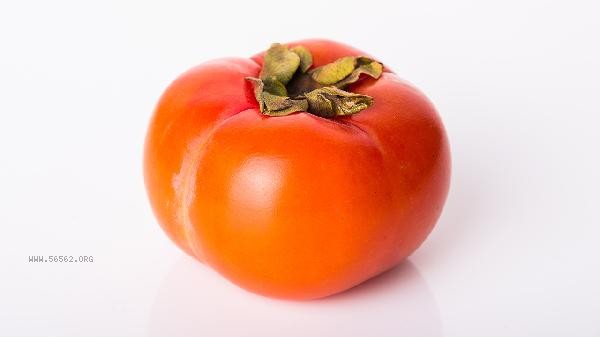
It is recommended to pair the processed frozen persimmons with yogurt or nuts to neutralize residual astringency. During daily storage, it is recommended to choose rapid freezing below -18 ℃ to avoid repeated freeze-thaw cycles. Patients with diabetes need to control the consumption, and those with weak gastrointestinal function should not eat on an empty stomach. If mold or odor occurs during long-term storage, it should be discarded immediately and cannot be further processed.








Comments (0)
Leave a Comment
No comments yet
Be the first to share your thoughts!