
Tea leaves should be dried in a timely manner after being damp to avoid mold growth and affect quality. Moisture in tea leaves may be caused by factors such as damp storage environment, poor sealing, temperature difference condensation, etc. It can be restored to a dry state through sun exposure, drying, microwave heating, and other methods.

1. Sun drying and dehumidification
Spread damp tea leaves evenly on a clean bamboo sieve or cotton cloth, and place them in a ventilated and cool place to dry. Avoid direct sunlight that can cause oxidation and discoloration of tea leaves. During the drying process, it is necessary to flip them multiple times to ensure even heating. This method is suitable for non fermented teas such as green tea and white tea that are slightly damp.
2. Drying treatment
Use an electric oven or a tea specific dryer to slowly dry at a low temperature of 50-60 degrees Celsius for 1-2 hours. Baking tea leaves such as oolong tea and black tea are more suitable for this method, as it can remove moisture and enhance aroma. Pay attention to layering and spreading tea leaves thinly, and flip them regularly to prevent local burning.
3. Microwave drying
Spread the tea leaves flat in a specialized container in the microwave oven, heat on low to medium heat for 30 seconds, then remove and flip, repeat 2-3 times until the tea leaves are crispy again. It is necessary to strictly control the heating time to avoid high temperature damage to active substances such as tea polyphenols. This method is suitable for fast processing of small batches.
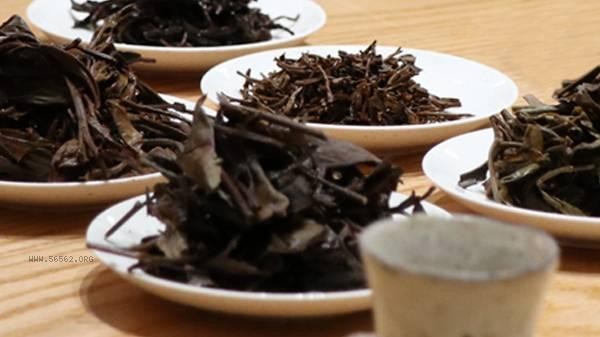
4. Fry in a wok
Heat an iron pan until slightly hot, then pour in damp tea leaves and stir fry over low heat for 10-15 minutes. The traditional stir frying techniques for Longjing, Maofeng, and other green teas are suitable for this method. When stir frying, the technique should be gentle to avoid tea breakage. After processing, it needs to be thoroughly cooled and sealed for storage.
5. Anti mold dehumidifier
The entire box of damp tea leaves can be placed in a sealed space together with the packaging, and dehumidified for more than 24 hours with food grade desiccants or dehumidifiers. This method is suitable for post fermented teas such as Pu erh tea and black tea that are heavily damp but not moldy. It can slowly restore the moisture content of the tea leaves without damaging the activity of the microbial community. The processed tea leaves should be sealed in aluminum foil bags or tin cans, with food desiccants inside, and stored in a cool, dark place. Daily storage should be kept away from damp environments such as kitchens and bathrooms, and it is recommended to store different types of tea separately. If the tea leaves have mold spots or a strange smell, they should not be consumed. Tea leaves that have been slightly damp should be consumed first to avoid repeated moisture absorption. Regularly check the status of tea inventory, and during the rainy season, reduce the frequency of opening cans to retrieve tea appropriately.








Comments (0)
Leave a Comment
No comments yet
Be the first to share your thoughts!