
Rice with slight mold growth is recommended to be discarded directly and is not edible. Moldy rice may contain harmful substances such as aflatoxin, and high-temperature cooking cannot completely destroy its toxicity.
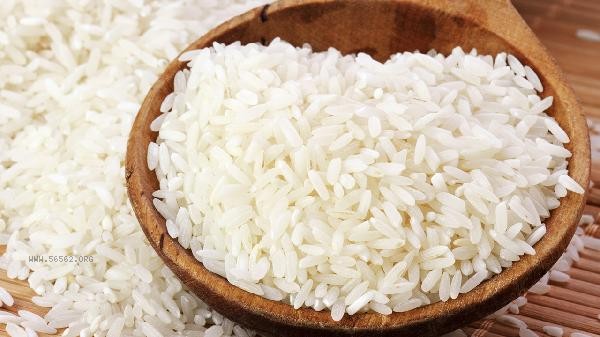
The surface of moldy rice may have gray green spots or fuzzy mycelium, accompanied by a moldy or rancid odor. Aflatoxin is heat-resistant and easily soluble in oils and fats. Conventional washing and steaming cannot remove it, and long-term intake increases the risk of liver damage. Mild mold growth often means that the mold has penetrated into the interior of the rice grains, making it difficult to determine the degree of contamination with the naked eye. Consuming it may cause acute gastroenteritis or chronic poisoning. If a small amount of rice grains are found to be moldy, the entire bag of rice may have been contaminated with fungal spores. Some people may pick out moldy rice grains and continue to consume the remaining rice, which poses a safety hazard. The metabolic products of mold may have spread into the un moldy rice grains, especially in humid environments where the growth rate of mold is faster. Rice stored improperly or beyond its shelf life is more prone to mold growth. It is recommended to store it in a cool and dry place, seal it, and consume it as soon as possible after opening.
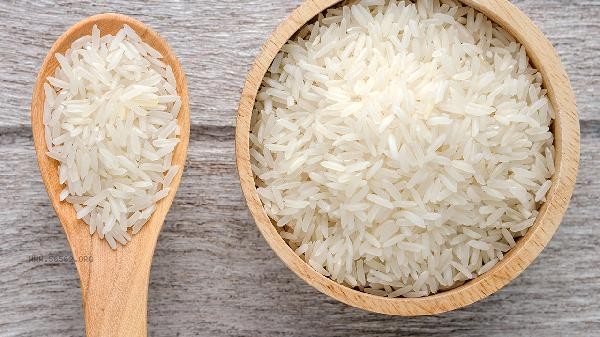
For daily storage of rice, natural moisture-proof materials such as food desiccants or Sichuan peppercorns can be placed to avoid mixing with high moisture foods. When purchasing, choose small packaging and regularly check the bottom of the rice container for lumps or odors. If you accidentally consume moldy rice and experience symptoms such as vomiting and diarrhea, seek medical attention promptly. Reasonably plan the procurement quantity, prioritize the consumption of aged rice, and reduce the risk of mold growth.








Comments (0)
Leave a Comment
No comments yet
Be the first to share your thoughts!