
It is not recommended to continue drinking tea with a moldy taste, as moldy tea may produce harmful substances. Tea mold is usually caused by damp storage environment, improper sealing, or prolonged storage time. Mild mold can be treated by air drying, baking, and other methods, while severe mold should be discarded directly. When the tea leaves are slightly moldy, they can be spread flat in a clean container and placed in a ventilated and dry place to naturally dry in the shade, avoiding direct sunlight that can cause oxidation of the tea leaves. Low temperature baking can also be used to remove moldy taste, with the temperature controlled at around 50 degrees Celsius to avoid high temperature damage to the effective components of tea leaves. Processed tea should be consumed as soon as possible and should not be stored for a long time. If the tea leaves are severely moldy and show obvious mold spots or clumps, it indicates that the mold has penetrated deep into the inside of the tea leaves. At this time, even if the surface mold smell is removed, toxins may still remain. The toxins produced by molds such as Aspergillus flavus are resistant to high temperatures and cannot be decomposed by ordinary heating. Continuing to consume them may harm liver health. Tea leaves with severe mold should be discarded immediately and one should not take chances.
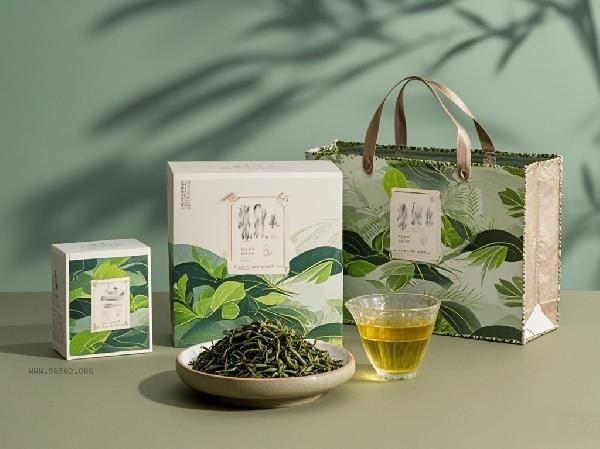
To prevent tea mold, it is important to store it tightly and use moisture-proof containers such as iron and porcelain cans. Place food desiccants in the containers to keep the environment dry. Green tea and other easily oxidizable tea leaves can be stored refrigerated, but it is necessary to ensure that the packaging is completely sealed. Regularly check the inventory of tea leaves to avoid storing them beyond their shelf life. If any abnormalities are found while drinking tea, it should be stopped immediately. After brewing moldy tea leaves, the tea soup may become cloudy, the aroma may be abnormal, and the taste may be astringent or have a earthy smell, which may be a sign of deterioration.








Comments (0)
Leave a Comment
No comments yet
Be the first to share your thoughts!