
It is not recommended to consume moldy rice as it may produce harmful substances such as aflatoxins. High temperature cooking cannot completely destroy the toxicity. If you accidentally consume moldy rice, you may experience acute poisoning symptoms such as abdominal pain and vomiting, and long-term intake may increase the risk of liver cancer. The fungal hyphae of moldy rice can penetrate deep into the interior of the grains, making it difficult to fully distinguish the degree of contamination with the naked eye. Aflatoxin is resistant to high temperatures and cannot be decomposed by ordinary cooking, and may penetrate into the undeformed parts. Improper storage at home, humid environment, and damaged packaging are common causes of rice mold growth. It is recommended to store in a cool and dry place and consume as soon as possible. In rare cases, if mold is limited to the surface and the interior of the rice grains is intact, the moldy part can be completely removed and washed multiple times, but there is still a risk of residue. When using moldy rice for feeding poultry or composting, caution should also be taken to avoid secondary contamination of toxins through the food chain.
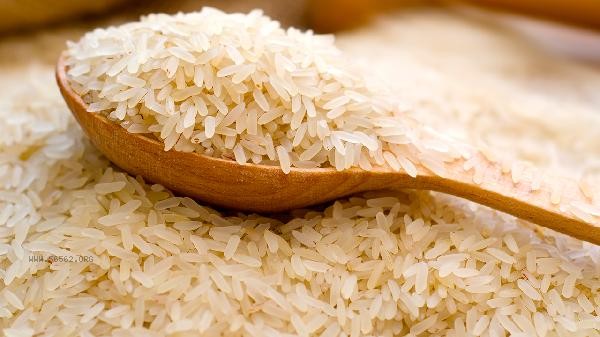
It is recommended to use sealed containers for daily storage of rice and place them in a well ventilated and dry place to avoid mixing with damp items. Choose small packaging when purchasing, regularly check inventory, and discard immediately if mold is found. If discomfort occurs after ingesting moldy food, seek medical attention promptly and keep samples for testing. Reasonable planning of procurement volume and improvement of storage conditions can effectively prevent grain mold and ensure food safety.








Comments (0)
Leave a Comment
No comments yet
Be the first to share your thoughts!