
It is usually not recommended to continue drinking green tea if it has a moldy taste, as this may indicate that the tea has been contaminated with mold. The main methods of handling include discarding moldy tea leaves, checking the storage environment, replacing sealed containers, avoiding high temperatures and humidity, and selecting fresh tea leaves.
1. Discard moldy tea leaves
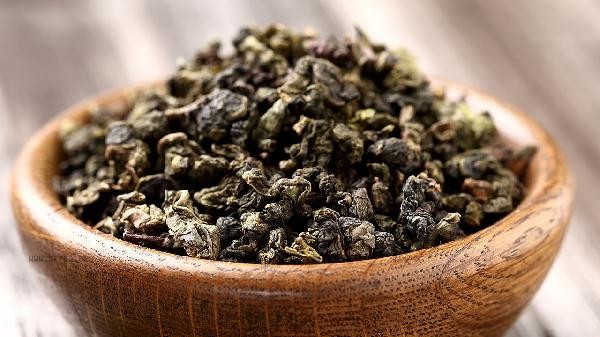
Moldy green tea may contain harmful substances such as aflatoxins, and direct disposal is the safest way to handle it. When there is slight mold growth, white spots or clumps may appear on the surface of the tea leaves, and in severe cases, a distinct moldy smell may be produced. Even high-temperature brewing cannot completely destroy mycotoxins, and continued consumption may cause gastrointestinal discomfort or liver damage.
2. Check storage environment
The excessive mold growth of tea is related to improper storage environment, and the temperature and humidity of the storage location need to be checked. Green tea is suitable for storage in a cool and dry place, with a relative humidity controlled below 60%. Avoid placing tea leaves in damp places such as kitchens and bathrooms, and do not store them together with items with strong odors.
3. Replace the sealed container
Using an opaque sealed container can effectively prevent tea leaves from getting damp and moldy. It is recommended to choose ceramic cans, tin cans, or food grade stainless steel cans, and avoid using ordinary plastic bags or transparent glass bottles. After opening, tea should be consumed as soon as possible and sealed immediately after each use to reduce air contact time.
4. Avoid high temperature and humidity
Green tea is sensitive to storage temperature, and special attention should be paid to moisture prevention in summer. Tea can be divided into small portions for storage, while large packaged tea is prone to moisture when opened frequently. Food desiccants can be placed in containers during humid seasons, but direct contact with tea leaves should be avoided.
5. Choose fresh tea leaves
When purchasing, choose green tea with a recent production date, and observe whether there is moisture and clumping in bulk tea. High quality green tea should present a fresh and moist emerald green color, while moldy tea leaves often have a darker color. It is advisable to consume within one month of each purchase to avoid long-term storage that may lead to a decrease in quality. When storing green tea in daily life, it can be placed in the refrigerator compartment, but it needs to be strictly sealed to prevent cross contamination. Tea leaves taken out of the refrigerator should be allowed to stand at room temperature before opening to avoid condensation water pollution caused by temperature differences. Before drinking, you can smell the aroma of dry tea. Fresh green tea has a light or chestnut fragrance, and if there is an odor, it is not suitable for brewing. Developing the habit of buying small quantities multiple times can ensure the freshness of tea leaves and reduce the risk of improper storage. If symptoms such as abdominal pain and diarrhea occur after accidentally drinking moldy tea, it is recommended to seek medical examination in a timely manner.








Comments (0)
Leave a Comment
No comments yet
Be the first to share your thoughts!