
Lamb soup that is too oily can be processed by refrigeration, adsorption, dilution, pairing with ingredients to relieve greasiness, adjusting the stewing method, and other methods.
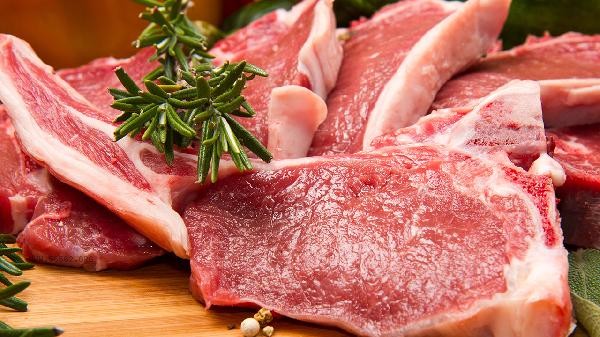
1. Refrigerate and remove oil
Cool the cooked lamb soup naturally and place it in the refrigerator for refrigeration. At low temperatures, the oil will condense into a white solid and float on the surface. Use a spoon to easily scrape it off. This method can remove most of the animal fat and is suitable for people who pursue a low-fat diet. It is recommended to control the refrigeration time for more than 4 hours, but it should not exceed 24 hours to avoid affecting the taste.
2. Adsorption and degreasing
Put strong oil absorbing ingredients such as white radish slices, frozen tofu or Mantou slices into the hot soup, and remove the ingredients that absorb oil after boiling. The glucosinolates in white radish can break down fat, and the porous structure of frozen tofu can absorb more than 30% of the free fatty acids in the soup. This method is suitable for use when it is necessary to maintain the temperature of the soup. It is important to note that the absorbed ingredients should not be cooked for too long to avoid breakage.
3. Dilute and remove oil
Add hot water or clear soup to dilute the oil concentration, while adding acidic ingredients such as hawthorn and tangerine peel to help break down fat. Add 200-300 milliliters of hot water to every 500 milliliters of high-fat soup, and simmer over low heat for 10 minutes to re emulsify the oil and water. This method can maintain the richness of the soup and is suitable for pairing with soup absorbing ingredients such as vermicelli and cabbage.
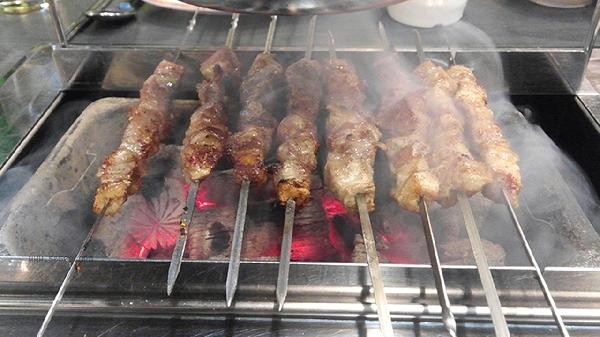
4. When drinking, pair with refreshing side dishes such as lettuce, mint leaves, lemon slices, etc. The polyphenols and organic acids in them can neutralize the greasy feeling. It is recommended to add side dishes directly to the soup for quick cooking, as vitamin C and dietary fiber can promote fat metabolism. This method is particularly suitable for people with hypertension and hyperlipidemia, as it can preserve the nutrition of the soup while reducing health risks.
5. Adjust the stewing method
Before stewing, blanch the lamb to remove any blood foam, then use a clay pot to simmer slowly over low heat. Finally, add salt for 30 minutes to avoid premature oil release. Choose leg meat instead of belly meat, and use spices such as grass fruit and white cardamom to reduce greasiness. This pre-treatment can reduce the oil content of the soup by about 40% and increase the protein dissolution rate. When processing greasy lamb soup, it is recommended to prioritize physical degreasing methods, which can retain minerals such as calcium and iron in the soup while avoiding nutrient loss. Daily consumption can be paired with ingredients rich in dietary fiber such as winter melon and seaweed to promote the elimination of saturated fatty acids. Hypertensive patients should control their daily intake of lamb soup to no more than 200 milliliters, and avoid drinking it during gout attacks. When stewing, using skinless lamb and extending the blanching time to more than 10 minutes can further reduce purine and fat content.








Comments (0)
Leave a Comment
No comments yet
Be the first to share your thoughts!