
Pork greasiness can be improved by blanching, pairing with greasiness relieving ingredients, and changing cooking methods. The main methods include blanching to remove fat, pickling with acidic seasonings, selecting lean meat parts, low-temperature slow cooking, and pairing with vegetables rich in dietary fiber.
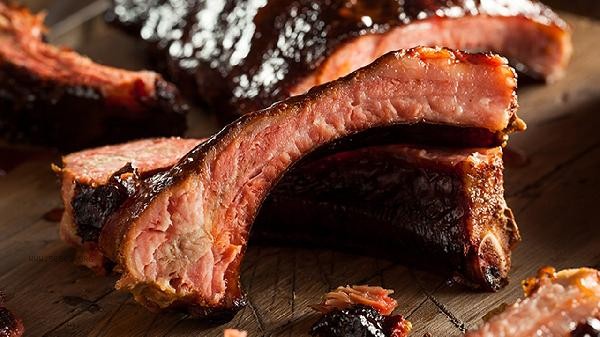
1. Blanch and remove fat
Cut raw pork into pieces and put them in cold water. Add ginger slices and cooking wine to boil, which can effectively dissolve fat. The blanching time should be controlled at 3-5 minutes, and any foam on the water surface should be promptly skimmed off. This method can remove about 30% of fat, especially suitable for high-fat areas such as pork belly and elbow. Blanched pork will significantly reduce its oil absorption when cooked again.
2. Sour seasoning pickling
Marinate pork with lemon juice, vinegar, or yogurt for more than 1 hour. Acidic substances can break down fat molecules. Suggest adding 15 milliliters of lemon juice to every 500 grams of meat, paired with a little black pepper for better results. The marinated pork has a fresher taste and is suitable for making dishes such as grilled pork chops or char siu.
3. Select lean meat parts
Choose parts such as the spine and hind legs where lean meat accounts for more than 80%, and the fat content is more than half lower than pork belly. It is best to observe the flesh color being bright red and the texture being delicate when purchasing. This type of part is suitable for quick stir frying or hot pot, and there is no need to add extra oil when cooking.
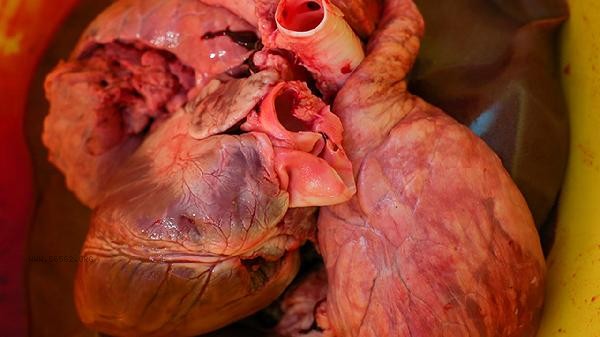
4. Low temperature slow cooking
Cook pork at a water temperature of 65-75 ℃ for 2-3 hours to allow the fat to slowly melt and precipitate. This method can retain the moisture in the meat while separating a large amount of oil. Suitable for processing pork ribs and other bony parts, it can easily peel off the fat layer after cooking.
5. When cooking with high fiber vegetables [SEP], add celery, bamboo shoots, mushrooms and other dietary fiber rich side dishes to absorb excess oil. Suggest pairing vegetables and pork in a 1:1 ratio, using low oil methods such as blanching and stir frying. Dietary fiber can also promote intestinal peristalsis and help metabolize animal fat.
It is recommended to control the weekly intake of pork consumption within 500 grams and prioritize low-temperature cooking such as steaming and stewing. Paired with digestive ingredients such as hawthorn and tangerine peel, it can promote fat digestion. Drinking Pu erh tea or barley tea in moderation after meals can also have a greasiness relieving effect. People with hypertension and hyperlipidemia should reduce their intake of fatty meat and choose to replace some pork with skinless poultry or fish. After handling greasy ingredients, it is recommended to wash hands with warm water and lemon juice, which can effectively remove oil residue from hands.








Comments (0)
Leave a Comment
No comments yet
Be the first to share your thoughts!