
Food that is too salty can be treated by diluting it with water, pairing it with the main dish, adding side dishes, extending the soaking time, and secondary processing.
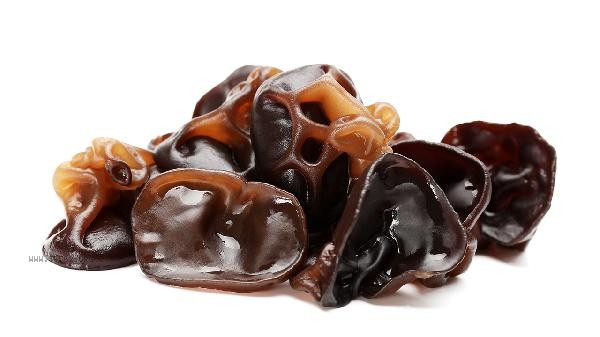
1. Dilute with water
For soups or stewed foods that are too salty, you can directly add an appropriate amount of water and boil them again, and the salt will be redistributed with the water. Stir fried vegetables can be stir fried with a small amount of hot water to accelerate the dissolution and diffusion of salt at high temperatures. Attention should be paid to adding water in small amounts and in small portions to avoid excessive dilution that affects the taste, while maintaining a low to medium heat to prevent nutrient loss.
2. Match with staple food
Choose light staple food such as rice and Mantou to eat together, and use the salt absorption characteristics of starch food to neutralize the salty taste. The dietary fiber of whole grain staple foods can also delay the absorption of sodium ions and reduce sensitivity to salty taste. It is recommended to mix salty dishes evenly into the main course to avoid concentrated intake of high salt portions.
3. Add side dishes
Add fresh vegetables with high moisture content such as cucumber slices and tomato chunks, and reduce the overall salt concentration through physical mixing. Acidic ingredients such as lemon juice and vinegar can interfere with taste buds' perception of saltiness, while flavor absorbing ingredients such as potatoes and tofu can absorb some salt. The volume of side dishes should exceed one-third of the salty ingredients for better results.
4. Extended soaking
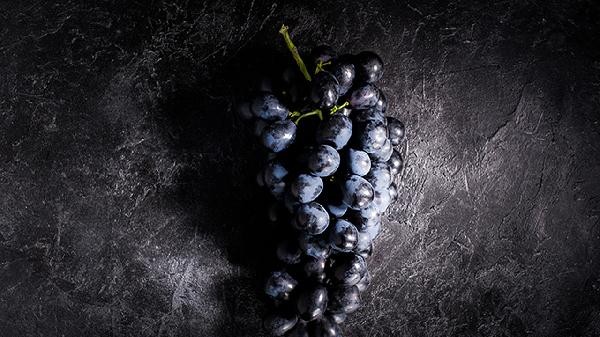
Pickled or braised foods can be soaked in cold water for 2-3 hours, and the water should be changed every half hour to promote salt analysis. Dried goods need to be soaked first and then boiled in water. For seafood, it is recommended to rinse the surface with running water to remove salt crystals. Adding a little white sugar during soaking can create a taste contrast and reduce the stimulation of salt.
5. Secondary Processing
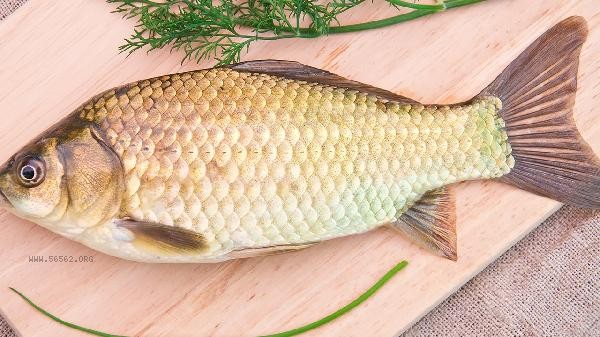
Cut the salted meat into small pieces to make filling, and mix with vegetables such as mushrooms and carrots. Fish can be disassembled into fish balls by adding starch and egg white to balance the saltiness. Fried foods can be fried again and sprinkled with powdered sugar or dipped in yogurt for consumption, using the sweet and sour taste to mask the salt content.
Long term intake of high salt foods may increase the risk of hypertension, and it is recommended to use a limited salt spoon to control the dosage in daily cooking. Natural spices such as scallions, ginger, garlic, and Sichuan peppercorns can be used to enhance flavor and gradually reduce dependence on salty taste. When purchasing pre packaged food, pay attention to the sodium content in the nutrition chart and choose the low sodium version. After processing salty food, it is recommended to drink plenty of water to promote sodium metabolism, and pair it with potassium rich foods such as bananas and spinach to help balance electrolytes. If strict salt control is required due to special dietary needs, a nutritionist can be consulted to develop a personalized plan.








Comments (0)
Leave a Comment
No comments yet
Be the first to share your thoughts!