
Tea leaves can be treated by drying, air drying, freezing, and other methods to prevent mold from affecting their quality. Tea moisture is mainly caused by high humidity in the storage environment, poor sealing, and large temperature changes.
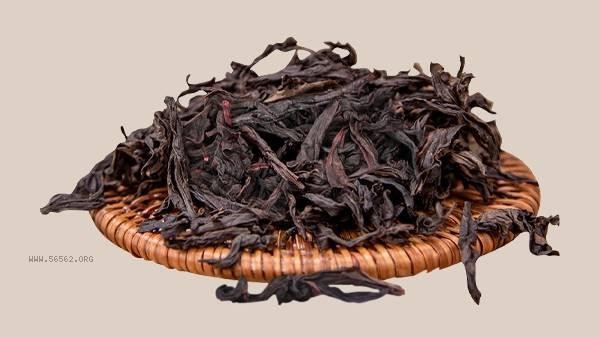
1. Air drying
Spread damp tea leaves evenly on a clean bamboo sieve or cotton cloth, and place them in a ventilated and cool place to air dry naturally. Avoid direct sunlight that can cause oxidation and discoloration of tea leaves. During the drying process, it is necessary to regularly flip the tea leaves to ensure even dehydration. This method is suitable for tea leaves that are slightly damp and do not produce any odor. The processed tea leaves should be consumed as soon as possible.
2. Drying
Use an electric oven or tea pan to slowly dry at low temperature, with the temperature controlled between 50-60 degrees Celsius. When drying, it is necessary to frequently flip the tea leaves to prevent local burning, and stop when the tea leaves have regained their crispy texture. Note that fermented teas such as oolong tea should not be dried at high temperatures to avoid damaging the active ingredients. After processing, the tea leaves should be cooled to room temperature before being sealed and stored.
3. Freeze
Pack damp tea leaves into food grade sealed bags, remove air, and place them in the freezer for 48 hours. Low temperature can inhibit mold growth, and after removal, it needs to be reheated to room temperature in a dry environment. This method is suitable for tea leaves with high moisture content, but the aroma of the tea leaves may be weakened after freezing. It is recommended to prioritize using it for tea blending.
4. Dehumidification equipment
Place food grade desiccants or small dehumidifiers in a closed container and seal them together with tea leaves for more than 24 hours. Silicone desiccants need to be replaced regularly, while activated carbon desiccants can be reused after exposure to sunlight. The processed tea leaves need to be checked for clumping, and the clumped parts should be discarded.
5. Secondary Baking
Pressed tea such as Pu erh tea that is severely damp can be professionally re roasted using a tea specific roasting cage and slowly roasted over low heat for 6-8 hours. This process can stimulate the internal transformation of tea leaves, but the temperature needs to be controlled to avoid carbonization. It is recommended to entrust professional tea merchants to handle household operations to avoid quality degradation caused by improper handling.
To prevent tea from getting damp, the relative humidity of the storage environment should be kept below 60%, and sealed containers such as tin cans and purple clay cans should be used to avoid mixing with odorous items. Green tea and other unfermented tea are recommended to be packaged and stored in refrigeration, and sealed promptly after each use. Regularly checking the status of tea inventory and promptly handling any slight moisture can maximize the preservation of tea flavor. If there are obvious mold spots or odors on the tea leaves, it is not advisable to continue drinking.








Comments (0)
Leave a Comment
No comments yet
Be the first to share your thoughts!