
Melon seeds and peanuts can be restored to their crispy texture by drying, stir frying, air drying, microwave heating, freeze-drying, and other methods after being damp. Damp food is prone to mold growth, so it is recommended to prioritize physical drying methods for treatment.
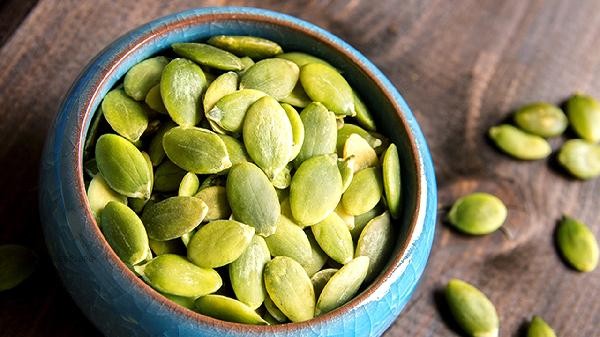
1. Drying
Place the damp sunflower seeds on a baking tray and bake at 60-80 degrees Celsius for 10-15 minutes in the oven. Low temperature slow drying can evenly evaporate moisture, avoiding oil oxidation or burning caused by high temperature. This method is suitable for nuts with small quantities and high taste requirements. After processing, they need to be thoroughly cooled and sealed for storage.
2. Stir fry
Use an oil-free and waterless wok to stir fry damp nuts over low heat, continuously stirring until a crisp sound is produced. Traditional frying can stimulate the aroma of nuts, but it is necessary to control the heat to avoid burning. After frying, spread it out to dissipate heat. When it cools completely, it can restore its brittleness and is suitable for peanuts with low moisture content and shells.
3. Drying
On sunny days, spread melon seeds and peanuts on a bamboo sieve or breathable gauze, and let them air dry naturally in a well ventilated area for 1-2 days. The ultraviolet rays in sunlight help inhibit mold and are suitable for nuts with intact shells. Pay attention to dust and insect prevention, take it back at night to avoid moisture regain, and consume it promptly after disposal.
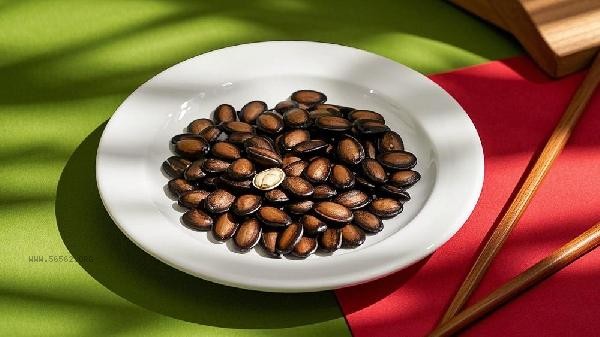
4. Microwave Heating
Peel off the nuts and lay them flat on a microwave tray. Heat on medium heat for 30 seconds and then flip them over. Repeat 2-3 times. Microwaves can quickly evaporate water, but close observation is necessary to prevent local overheating. This method is fast but may alter the texture of some nuts. It is recommended to process in small batches.
5. Freeze dry
Seal the damp nuts and place them in the freezer compartment of the refrigerator for 24 hours. Remove them and let them cool down. Low temperature environment can cause water to condense and precipitate, suitable for nuts that have slightly softened. Although it cannot fully restore its crispness, it can delay mold growth. It is recommended to consume it within a week after processing.
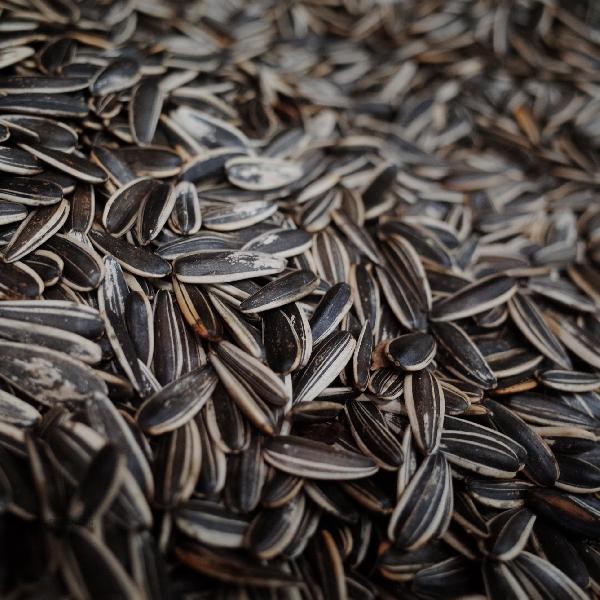
Processed nuts should be stored in sealed jars with natural moisture resistant materials such as food desiccants or Sichuan peppercorns added. If signs of spoilage such as mold spots or halitosis are found, they must be discarded immediately. Suggested daily storage: divide into small portions, store in a cool and dry place, and consume as soon as possible after opening. Nuts are prone to loss of nutrients such as vitamin E when they become damp, and can be supplemented with fresh fruits to prevent excessive intake of antioxidants and gastrointestinal discomfort.








Comments (0)
Leave a Comment
No comments yet
Be the first to share your thoughts!