
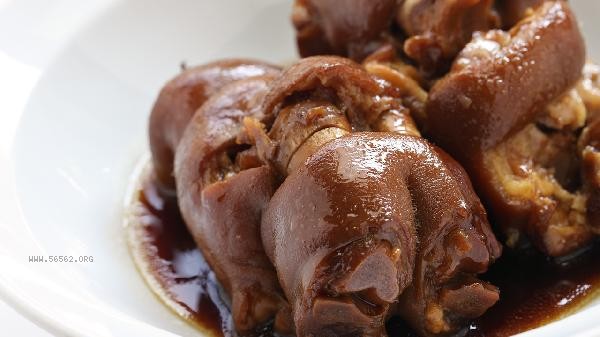
Cooked pig trotters with a taste can usually be processed by reheating, seasoning, masking, secondary processing, etc. It is recommended to discard them if they have slightly deteriorated. The odor of pig trotters may be caused by improper storage, bacterial growth, fat oxidation, residual blood, insufficient seasoning, and other reasons.
1. Reheat
Boiling pig trotters thoroughly for more than 15 minutes can effectively kill some bacteria, and high temperatures can decompose some odor substances. Heating with a pressure cooker is more thorough, and ginger slices and cooking wine can be added to the water to help remove the fishy smell. After heating, it should be consumed immediately and should not be refrigerated repeatedly.
2. Flavoring cover
Marinate with heavy flavor spices such as pepper, Chinese prickly ash, star anise, or add fermented condiments such as bean paste, Fermented bean curd, etc. Acidic substances such as vinegar and lemon juice can neutralize amine odors, but cannot eliminate toxins that have already been produced, and are only suitable for mild cross odor situations.
3. Secondary processing [SEP]: Remove the bones of pig trotters and make them into meat floss. High temperature frying can remove some odors. Or it can be chopped and stewed with Meigan cai and other absorbing food materials to improve the flavor through oil blending. Frying treatment can cause surface proteins to char and mask odors, but there may still be a risk of spoilage in the core part.
4. Deterioration and disposal
If there is a noticeable sour odor, mucus, or green color, it indicates the growth of pathogenic bacteria and the production of toxins. Even high-temperature treatment cannot eliminate heat-resistant toxins such as aflatoxin, and continued consumption may lead to foodborne diseases such as abdominal pain and diarrhea.
5. Storage Improvement
Fresh pig trotters should be refrigerated for no more than 2 days, and frozen storage should be sealed and isolated from air. If storage is required after cooking, it is recommended to pack and rapidly cool, and refrigerate for no more than 24 hours. Vacuum packaging can extend the shelf life to 3-5 days, but it is necessary to ensure thorough initial sterilization.
When handling pig trotters in daily life, it is important to blanch them thoroughly to remove blood foam before cooking, and ensure that the soup completely submerges the ingredients during braising. Storage containers should be disinfected and dried to avoid cross contamination. If the surface of pig trotters becomes sticky or emits a pungent odor, even if it has slightly deteriorated, it should be stopped from consumption. It is recommended to cook as soon as possible after purchase, as cooking and eating freshly can ensure the best flavor and safety. For people with low immunity, it is especially important to avoid consuming cooked meat products that have been stored for too long.








Comments (0)
Leave a Comment
No comments yet
Be the first to share your thoughts!