
constipation during weight loss can be improved through adjusting dietary structure, increasing dietary fiber intake, moderate exercise, regular sleep, medication treatment, and other methods. Constipation may be related to factors such as insufficient water intake, lack of dietary fiber, imbalance of gut microbiota, lack of gastrointestinal motility, and medication side effects.
1. Adjust dietary structure
Ensure sufficient intake of vegetables and fruits daily, such as broccoli, apples, etc., and choose whole grains instead of refined rice and flour. Appropriately increasing foods rich in dietary fiber such as beans and nuts can help promote intestinal peristalsis. Avoid high-fat and high sugar diets, reduce intake of processed foods, and alleviate gastrointestinal burden.
2. Increase dietary fiber
The recommended daily intake of dietary fiber is 25-30 grams, and foods rich in soluble dietary fiber such as oat bran and chia seeds can be selected. Dietary fiber can increase the volume of feces and absorb water, but it needs to be accompanied by sufficient drinking water, otherwise it may worsen constipation symptoms.
3. Moderate exercise
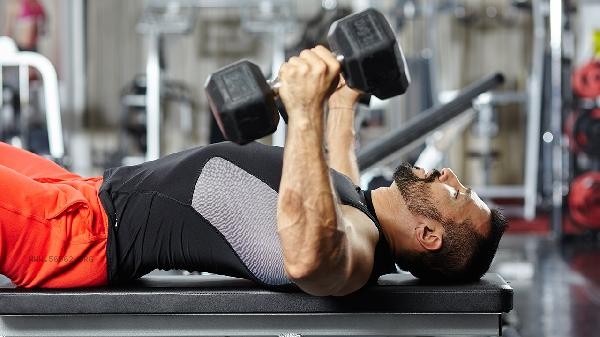
Doing aerobic exercise for more than 30 minutes a day, such as brisk walking, swimming, etc., can stimulate intestinal peristalsis. Abdominal massage can be performed by pressing the navel in a clockwise direction, combined with abdominal breathing training. Avoid prolonged sitting and get up and move for 5 minutes every hour.

4. Establish a regular schedule for defecation, and it is recommended to try defecation after waking up in the morning or after meals. Ensure 7-8 hours of sleep and avoid staying up late causing autonomic nervous system dysfunction. Reducing mental stress and anxiety may affect intestinal function through the brain gut axis. If lifestyle adjustments are ineffective, laxatives such as lactulose oral solution, polyethylene glycol 4000 powder, and Bisacodine enteric coated tablets can be used under the guidance of a doctor. Probiotic preparations such as Bifidobacterium triple active capsules can regulate the gut microbiota. Avoid long-term dependence on stimulant laxatives.
During weight loss, it is necessary to maintain a daily water intake of 1500-2000 milliliters, especially when increasing dietary fiber and drinking more water. It is recommended to drink warm water on an empty stomach in the morning as it can stimulate the gastrointestinal reflex. If constipation does not improve in the short term or is accompanied by symptoms such as abdominal pain and bloody stool, timely medical attention should be sought to rule out organic diseases. Be careful not to lose weight too quickly, it is advisable to lose 0.5-1 kilogram per week. Extreme dieting may lead to gastrointestinal dysfunction and worsen constipation.








Comments (0)
Leave a Comment
No comments yet
Be the first to share your thoughts!