
Constipation during weight loss can be improved by adjusting diet structure, increasing dietary fiber intake, moderate exercise, regular sleep, supplementing probiotics, and other methods. Constipation during weight loss is usually related to factors such as insufficient dietary calories, lack of dietary fiber, reduced water intake, imbalanced gut microbiota, and insufficient exercise.
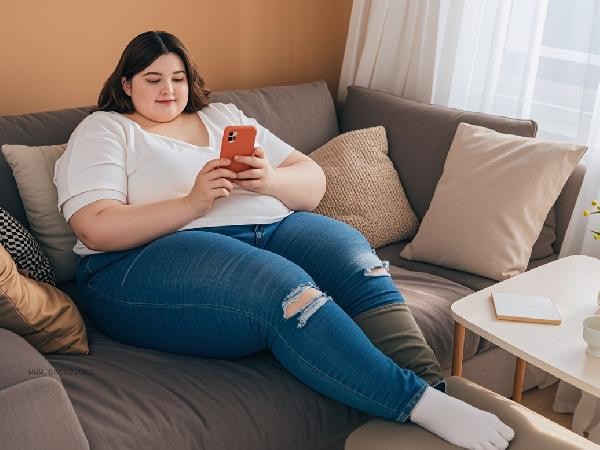
1. Adjust dietary structure
Reduce the intake of refined carbohydrates and increase low glycemic index foods such as whole grains and legumes. Ensure a daily intake of 300-500 grams of non starchy vegetables, such as broccoli, spinach, celery, etc. Their rich dietary fiber can promote intestinal peristalsis. To avoid excessive dieting leading to insufficient food residue, it is recommended that daily calorie intake should not be less than 80% of the basal metabolic rate.
2. Increase dietary fiber
Daily intake of 25-30 grams of dietary fiber, preferably soluble dietary fiber such as oat bran, apples, konjac, etc., can absorb water and soften feces. Insoluble dietary fibers such as brown rice and beans can increase fecal volume. It should be noted that fiber intake should be gradual, sudden and excessive supplementation may worsen abdominal distension, and daily water intake should be at least 2000 milliliters.
3. Moderate exercise
Doing 150 minutes of moderate intensity aerobic exercise per week, such as brisk walking, swimming, etc., can accelerate colon peristalsis. Perform 10-15 minute abdominal massage 30 minutes after meals, circling clockwise around the navel to stimulate intestinal nerve reflexes. Avoid prolonged sitting, get up and move for 3-5 minutes every hour. Standing up for work or doing anal exercises can also help improve intestinal function.

4. Establish a fixed bowel movement time, try to defecate within 30 minutes after waking up in the morning or after meals, and use the gastrocolic reflex to promote intestinal peristalsis. Ensure 7-8 hours of sleep, as insufficient sleep can affect the autonomic nervous system's regulation of the intestines. Reduce staying up late and stress state. Excessive stress can inhibit parasympathetic nervous system activity, leading to slower intestinal peristalsis.
5. Supplementing probiotics
can choose live bacteria preparations containing bifidobacteria, lactic acid bacteria, etc., such as Bifidobacterium triple live bacteria capsules, lichen spore live bacteria capsules, etc., which can improve the balance of intestinal microbiota. Fermented foods such as sugar free yogurt and kimchi also contain natural probiotics. Please note that probiotics and antibiotics should be taken 2 hours apart, and the brewing water temperature should not exceed 40 degrees Celsius.
During weight loss, it is recommended to adopt progressive calorie control, with a weekly weight loss of no more than 1 kilogram, to avoid extreme dieting that can lead to a decrease in metabolic rate. Drinking 300ml of warm water on an empty stomach every morning can stimulate gastrointestinal motility. If constipation persists for more than 2 weeks after adjusting lifestyle, or is accompanied by symptoms such as abdominal pain and bloody stool, it is necessary to seek medical attention promptly to rule out organic diseases. Long term constipation patients can follow the doctor's advice to use osmotic laxatives such as lactulose oral solution and polyethylene glycol 4000 powder for a short period of time, but should avoid relying on stimulant laxatives.








Comments (0)
Leave a Comment
No comments yet
Be the first to share your thoughts!