
Kiwi fruit can be cut in half vertically and the flesh can be scooped out with a spoon, or the ends can be cut off and peeled and sliced. There are five main methods for processing kiwifruit: preserving the skin and digging it up, ring cutting and peeling it, slicing and plating it, making puree, and pairing it with other ingredients.
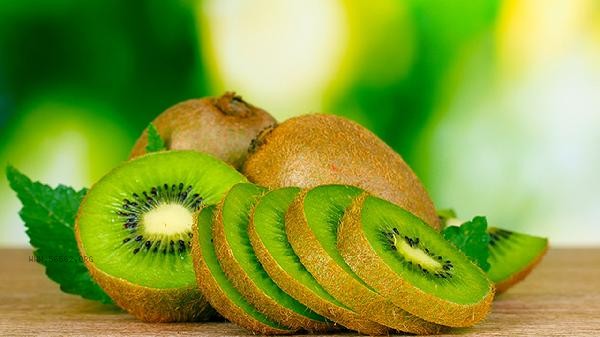
1. Keep the skin and eat it.
Cut the kiwi fruit in half vertically and use a spoon to rotate along the inside of the skin to scoop out the intact flesh. This method can avoid oxidation discoloration caused by contact between fruit pulp and knives, and is suitable for direct consumption or making fruit salads. Choose kiwifruit with moderate maturity, as the flesh and skin are easier to separate. When digging, be sure to keep the back of the spoon tightly attached to the inner wall of the skin.
2. Circumcision and Peeling
Cut off both ends of the kiwi fruit with a knife, insert a spoon between the skin and flesh, and rotate it once to completely peel it. This method is suitable for situations where it is necessary to maintain the intact shape of the fruit pulp. The peeled kiwifruit can be cut into pieces or slices. When operating, pay attention to choosing a spoon with a thinner edge, and maintain even force during rotation to avoid damaging the fruit pulp.
3. Slice and Arrange
Cut the peeled kiwifruit horizontally into evenly sliced pieces, which can be arranged in a floral or layered shape. It is recommended to control the slice thickness at 3-5 millimeters. Thin slices can easily shatter, while thick slices can affect the taste. Cut fruit slices can be paired with yogurt or oatmeal. They are prone to oxidation when exposed to air and should be consumed as soon as possible.

4. Make puree
Peel kiwi fruit, cut it into pieces, and use a blender to mash it. Filter and remove the seeds to obtain delicate jam. Fruit puree is suitable for spreading on bread or making drinks, and adding a small amount of lemon juice can delay oxidation and discoloration. When processing, pay attention to removing the hardened part of the fruit core, and the beating time should not exceed 30 seconds to avoid damaging the dietary fiber.
5. Mix chopped kiwifruit with soft fruits such as bananas and strawberries to neutralize the sourness of kiwifruit. When pairing seafood, it is necessary to control the amount used to avoid protein degradation by proteases affecting the taste. Before combining ingredients, it is recommended to taste the sweetness of kiwifruit first. Sour fruits can be marinated with honey appropriately.
It is recommended to use a ceramic knife to reduce oxidation when handling kiwifruit in daily life. After cutting, it should be consumed as soon as possible or sealed and refrigerated. High maturity kiwifruit pulp is softer and can be frozen for half an hour before cutting, making it easier to handle. For those who are sensitive to skin burrs, food grade PE gloves can be worn for operation. Long term consumption of kiwifruit can supplement vitamin C and dietary fiber, but those with weak gastrointestinal function should avoid eating large amounts on an empty stomach. Choose fruits with wrinkle free skin and pressed Microsoft, and let them sit at room temperature for 2-3 days to promote ripening. Placing them together with apples can accelerate ethylene ripening.








Comments (0)
Leave a Comment
No comments yet
Be the first to share your thoughts!