
The most convenient way to cut jackfruit is to cut a hole on the surface with a knife, wear gloves, and then break the flesh with your hand to take out the stone. The skin of jackfruit is thick and contains mucus, so direct cutting is easy to pollute the hands and is difficult to operate. The method of breaking off with bare hands after cutting can avoid tool slippage and reduce pulp waste.
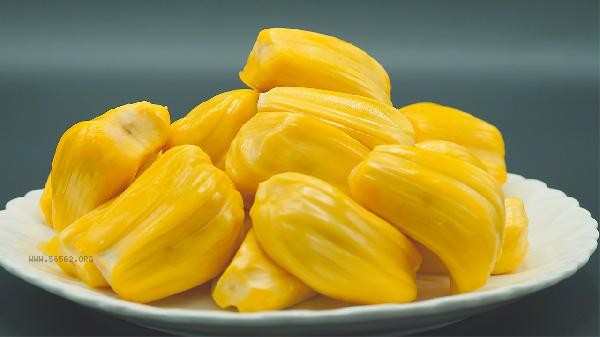
The outer skin of jackfruit is hard and has fine bulges. If you use a common knife to cut vertically, you may slip and injure your hands due to resistance. It is recommended to choose a wide blade knife with a length exceeding 15 centimeters and make a longitudinal incision of about 5 centimeters deep from the top of the fruit, avoiding the thick fiber column in the center position. After cutting open the skin, put on rubber gloves with both hands and forcefully spread them along the incision to both sides. At this time, the white mucus mainly adheres to the gloves and skin, and will not contaminate the fruit pulp. Jackfruit with high maturity can be easily separated into two halves, and the yellow pulp inside will be naturally exposed. If the fruit is too large or not mature enough, the base at both ends can be cut off to increase stability, and then equidistant cuts can be made every 3 centimeters around the side wall. Some immature jackfruit needs to be separated along the gap of the fruit petal with the tip of the knife, but attention should be paid to the direction of the knife to avoid scratching the flesh. Mucus in contact with the skin may cause itching. After operation, apply cooking oil to hands in a timely manner and wash with soap to effectively remove residue.
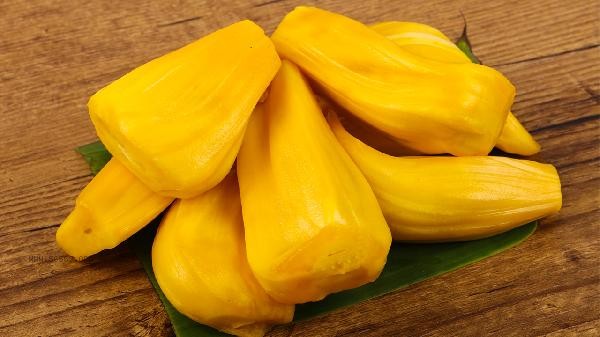
The processed jackfruit pulp should be eaten or stored in cold storage as soon as possible to avoid oxidative discoloration. Uneaten fruit kernels can be washed, boiled, or baked, and are rich in starch and dietary fiber. It is recommended to operate in a well ventilated area and lay anti slip newspapers. Choose fruits with flat bottoms for easier fixation. Allergic individuals should avoid direct contact with skin mucus, and children should participate in the treatment process under adult supervision.









Comments (0)
Leave a Comment
No comments yet
Be the first to share your thoughts!