
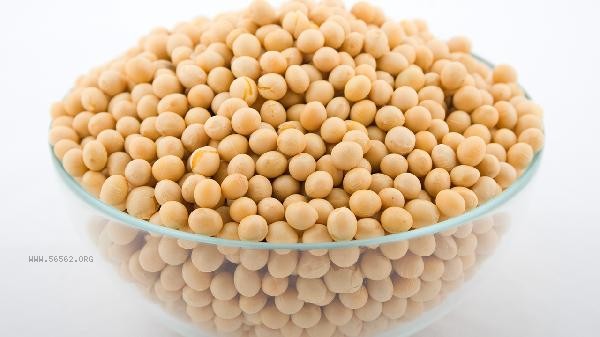
Controlling the heat and adding a small amount of cooking oil when boiling soybeans can effectively prevent overflow. Soybean contains saponins and other ingredients that are easy to produce foam, which are easy to overflow when boiling. This problem can be avoided by adjusting cooking methods and simple techniques. Before boiling soybeans, they need to be fully soaked for 6-8 hours to allow the beans to absorb water and expand, reducing boiling time. Use a pot with a deep mouth and wide bottom, with the water level not exceeding two-thirds of the pot body. After boiling on high heat, immediately turn to low heat to maintain a slight boiling state. Add 3-5 drops of edible oil before boiling, which can form an oil film on the water surface to inhibit the upwelling of foam. Avoid frequent stirring in the middle, and gently push foam along the edge of the pan with a wooden spoon. If using an electric pressure cooker, the water level line must be below the maximum mark, and selecting the bean function key to automatically control the pressure is safer. In special circumstances such as using aged soybeans or dry beans that have not been soaked, it is recommended to extend the soaking time to 12 hours or blanch them to remove surface saponins first. If the exhaust valve of the pressure cooker is blocked by foam during cooking, the fire shall be closed immediately for natural pressure relief, and the lid shall not be opened by force. People who are allergic to soy protein should be aware that cooking steam may cause allergic reactions, and it is recommended to use other kitchen utensils instead.

Daily cooking of soybeans can be paired with kelp or tangerine peel, which can enhance flavor and aid digestion. It is recommended to refrigerate the cooked soybeans for no more than 3 days, and they should be thoroughly heated before consumption. Reasonably control the single consumption amount, excessive consumption may cause bloating, and those with weak gastrointestinal function can choose fermented soy products as a substitute. Develop the habit of observing the fire to avoid the danger of dry burning caused by unattended operation.









Comments (0)
Leave a Comment
No comments yet
Be the first to share your thoughts!