
The key to boiling red bean sugar water until it turns sandy is to soak it thoroughly and stew it over low heat for a long time. The sanding effect is mainly affected by factors such as red bean variety, soaking time, fire control, timing of sugar addition, and stirring frequency.
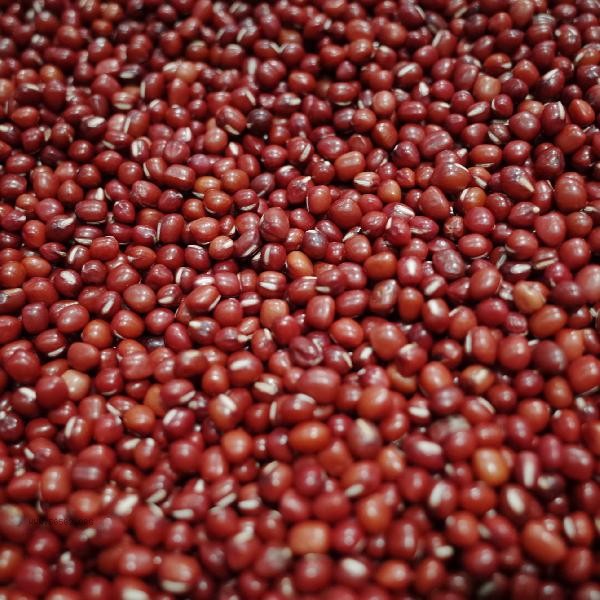
1. Red Bean Varieties
Choosing red bean varieties with thin skin and easy to cook is more likely to cause sanding. Round grained red beans have a higher starch content than long grained red beans, making it easier to release starch and form a sandy texture during cooking. When purchasing, pay attention to selecting fresh red beans with full and insect free granules. Old red beans have a hard texture and are not easy to cook until they are tender.
2. Soaking time
Red beans should be soaked for at least 6 hours in advance, and can be refrigerated and soaked in summer to prevent spoilage. After sufficient water absorption, the cell wall of red beans softens and is more prone to rupture and release starch when heated. When in urgent need, it can be soaked in warm water for 2 hours, but the sanding effect is slightly inferior to long-term soaking in cold water.
3. Temperature control
After boiling on high heat, immediately reduce the heat and simmer slowly for more than 1 hour, keeping the water surface slightly bubbling. Continuous low-temperature heating gradually ruptures the red bean cells, causing starch to slowly precipitate and fuse with water. Never add water midway or adjust the firepower significantly, as sudden temperature changes can cause the outer skin of red beans to tighten.
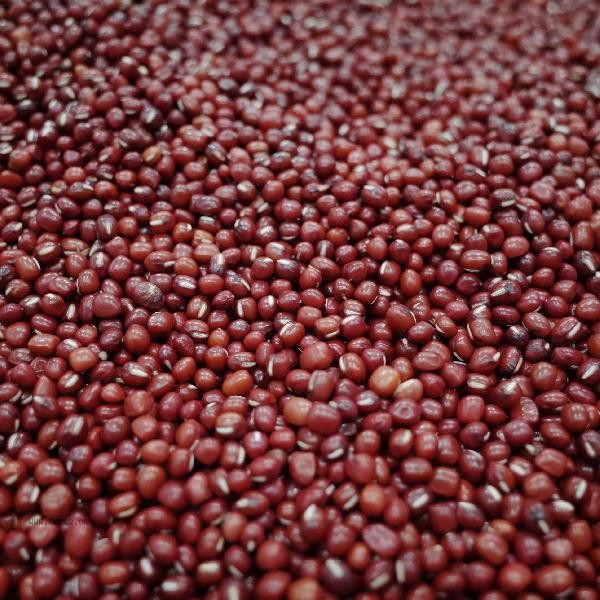
4. Sugar addition
Wait until the red beans are completely cooked before adding sugar. Adding sugar too early will cause the skin of the red beans to shrink and harden. Rock sugar is easier to form dense sandy soil than white sugar, and adding it in two portions can better control sweetness. It is recommended to add two-thirds of the sugar and stir until melted, and make up according to taste before cooking.
5. Mixing frequency
For the last 15 minutes, gently press the red beans with the back of a spoon and stir clockwise to help evenly release the starch. Be careful not to stir vigorously and damage the complete shape of the red beans. The ideal state is for the soup to be cloudy with small bean paste particles, and to be able to flow when scooped up.

The boiled red bean syrup can be used with small rice dumpling or rice cakes, and the sandy taste is more obvious after refrigeration. Those with weak gastrointestinal function should control the consumption, and those with diabetes can replace some rock sugar with sugar substitutes. The remaining red bean sand can be frozen, and a small amount of water can be added to adjust to the proper consistency when reheating. Choosing organically grown red beans can reduce astringency, and cooking them with tangerine peel or osmanthus can add flavor layers.








Comments (0)
Leave a Comment
No comments yet
Be the first to share your thoughts!