
The key to making red bean soup sticky is to fully soak the red beans, control the heat, and extend the boiling time. There are mainly methods such as pre soaking, water control, heat adjustment, mixing techniques, and adding auxiliary materials.
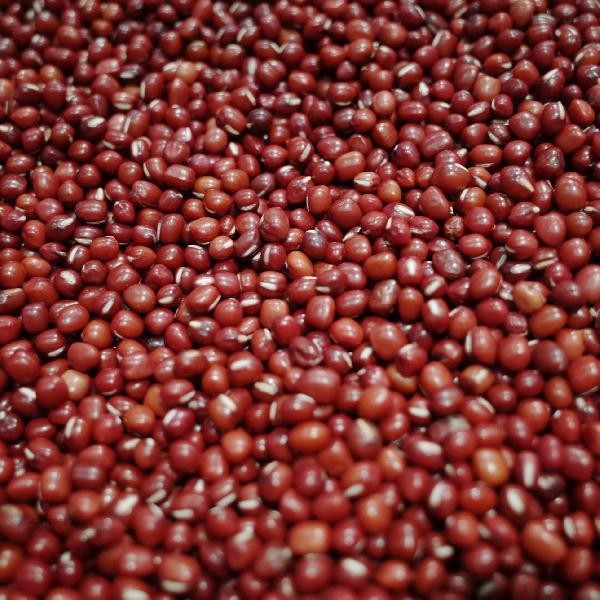
1. Pre soaking
Red beans have a hard texture and are difficult to soften and rot. Wash the red beans and soak them in clean water for at least 6 hours. In summer, they can be refrigerated to prevent fermentation. Red bean cell walls that fully absorb water and expand are more prone to rupture, and starch is fully released to form gelatinization. Soaking in warm water can shorten the time, but avoid the hardening of the skin caused by hot water.
2. Water Control
The initial water volume should be three times the volume of red beans, and after boiling, turn down the heat to maintain a slight boiling state. Excessive moisture can dilute starch concentration. It is recommended to add hot water in stages to maintain liquid level balance. Stop adding water when keeping an appropriate amount of soup in the later stage of boiling, and use the remaining temperature to further evaporate the water.
3. Heat adjustment
After boiling on high heat, immediately turn to low heat and simmer slowly. Intense boiling can cause the red beans to break but the starch cannot be fully dissolved. Using a clay pot or thick bottomed cookware can maintain stable heat conduction, while an electric rice cooker can be used in soup cooking mode. In the last 10 minutes, you can slightly increase the heat to accelerate the juice collection, and continue stirring to prevent the bottom from sticking.
4. Stirring Techniques
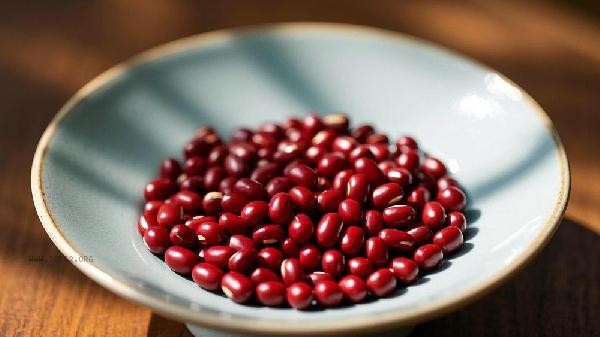
During the initial boiling stage, there is no need to stir frequently. When the red beans start to soften and rot, stir in the same direction every 15 minutes. Wooden spatula can avoid scratching the pot body and stir to promote uniform dispersion of starch particles. During the juice collection stage, it is necessary to continue stirring in circles until the spoon leaves a clear mark.
5. Adding auxiliary ingredients
combined with glutinous rice or small round beans can increase the thickness of the soup, with a ratio of about one-fifth of the amount of red beans. A small amount of alkali flour can soften soybean skin but can damage vitamin B1. It is recommended to switch to consuming baking soda instead. Stir in lotus root powder or agar powder before turning off the heat, and cool to form a gel like texture. The cooked red bean soup can be paired with osmanthus candy or tangerine peel to enhance its flavor, and its viscosity will be further increased after refrigeration. Those with weak gastrointestinal function should control the consumption, and those with diabetes can adjust the sweetness with sugar substitutes. The remaining red bean soup can be divided and frozen. When reheating, add a small amount of water and stir to restore the texture. Daily consumption can supplement iron and dietary fiber, but it should not be consumed with strong tea to affect nutrient absorption.








Comments (0)
Leave a Comment
No comments yet
Be the first to share your thoughts!