
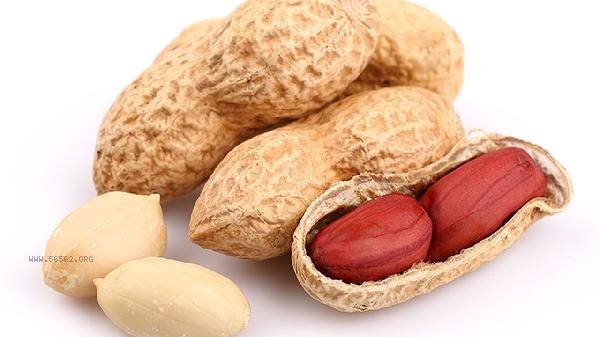
The key to cooking peanuts until they are soft and tender is to soak them thoroughly and cook them over low heat for a long time. The main methods for soft and rotten peanuts include soaking in cold water in advance, controlling the heat, adding acidic substances, using a pressure cooker, and repeatedly simmering.
1. Soak in cold water in advance
Dried peanuts have a hard texture and are difficult to soften when boiled directly. It is recommended to soak peanuts in cold water for at least 8 hours to allow them to fully absorb water and expand. In summer, peanuts can be refrigerated and soaked to prevent spoilage. After soaking, the volume of peanuts will increase, and the wrinkles on the skin will stretch, which can shorten the subsequent cooking time. If time is tight, soak in warm water for 3 hours, but the effect is slightly inferior to slow soaking in cold water.
2. Control the heat
When cooking peanuts, first boil them on high heat and then reduce the heat to slow stew. Continuous boiling can easily cause the skin to rupture and the inner core to harden. After boiling, adjust the water to a state that seems to be open but not open, and keep the water surface slightly fluctuating. It usually needs to be stewed for 1-2 hours. During this period, avoid frequent uncovering to prevent sudden temperature changes from affecting the softening effect. You can use chopsticks to lightly poke and judge the softness, and it can easily penetrate to meet the standard.
3. Adding acidic substances
Adding a small amount of white vinegar or lemon juice to boiling water can decompose the pectin substances in peanut cell walls in an acidic environment, accelerating softening. It is advisable to add 1 tablespoon of acidic liquid per 500 grams of peanuts, as excessive amounts may produce a sour taste. This method is particularly suitable for red skinned peanuts with thick skin, and the combination with soaking method has a better effect.
4. Use a pressure cooker [SEP]. The pressure cooker accelerates the softening of ingredients by increasing the boiling point. Unsoaked peanuts can be cooked under high pressure for 20 minutes to soften, while soaked ones only need 10 minutes. The water level should be less than 3 centimeters above the peanut, then turn to medium low heat after being heated, and naturally deflate before opening the lid. Note that red skinned peanuts are prone to staining during high-pressure cooking, and it is recommended to use a stainless steel liner separately.
5. Repeat braising
The traditional braising method requires staged operation: after the first 30 minutes of cooking, turn off the heat and simmer for 1 hour, using residual heat to permeate; Boil again and continue boiling for 20 minutes, repeating this process 2-3 times. This method is suitable for the elderly's preference for instant melting in the mouth. Although it takes a long time, it can maintain the complete shape of peanuts and is suitable for making dishes such as braised peanuts that require shaping.
Boiled peanuts can be stored in cold storage with soup for 3 days, and heating them again will make them softer and more sticky. It is recommended to choose fresh and plump peanuts, as aged peanuts are not easy to cook until they are tender. People with weak digestive function can eat without skin, and cooking with yam and red dates can help strengthen the spleen and stomach. If you need to make it quickly, you can microwave and heat the soaked peanuts on high heat for 10 minutes, then transfer them to a pot and stew for a short time, but the taste is slightly inferior to traditional methods. Regardless of the method used, thoroughly cleaning peanuts before cooking is crucial to remove surface impurities and residual aflatoxin risks.








Comments (0)
Leave a Comment
No comments yet
Be the first to share your thoughts!