
When cooking big bone lotus root soup, the blackening of lotus roots is mainly related to oxidation reactions and cooking methods, which can be avoided by blanching, isolating the air, controlling the heat, and other methods.

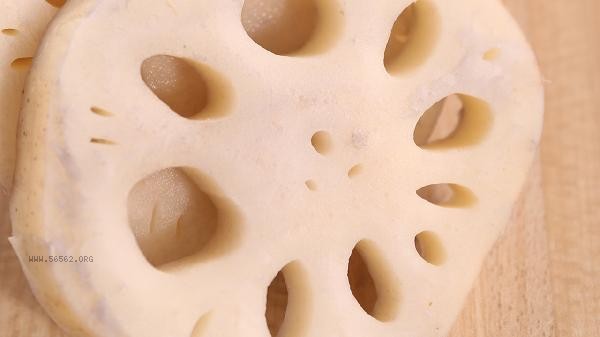
After peeling and cutting lotus roots into pieces, immediately soak them in clean water. A small amount of white vinegar or salt can be added to the water to effectively inhibit polyphenol oxidase activity. When blanching, put boiling water in a pot and quickly blanch for 1 minute before removing the excess cold water. This can shorten the subsequent stewing time and form a protective layer. When stewing soup, choose a clay pot or ceramic pot to avoid the combination of iron ions in the iron pot with phenolic substances in lotus root. After the big fire is boiled, turn to the small fire and simmer slowly to keep the Noodles in soup slightly boiling and reduce the tissue damage caused by intense boiling. Seasoning before serving, adding salt too early can cause dehydration and accelerate browning of lotus root cells. If iron cookware or lotus root varieties with high starch content are used, slight blackening may still occur. Special varieties such as purple lotus root contain anthocyanins, and after stewing, the soup color naturally becomes darker and does not belong to spoilage. Lotus roots that have been stored for too long or have been cut open and oxidized may still have a dull color even after processing. When choosing fresh lotus roots, pay attention to the white and rust free cross-section, and those with short and thick lotus nodes are more resistant to cooking.
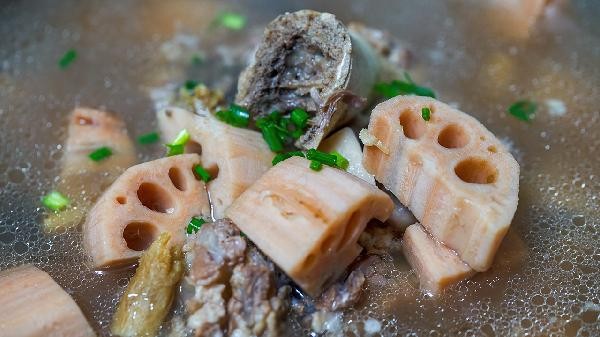
Big bones need to be blanched in advance to remove fishy smell, and when stewed with lotus root, a small amount of ginger or tangerine peel can enhance the flavor. Lotus root is rich in dietary fiber and mucin protein. After being cooked for a long time, some nutrients will dissolve into the soup. It is recommended to consume it together with the soup. People with weak gastrointestinal function need to control their food intake to avoid excessive intake of starch causing bloating. Overnight lotus root soup should be boiled and stored, and prolonged stewing should be avoided during secondary heating.








Comments (0)
Leave a Comment
No comments yet
Be the first to share your thoughts!