
The key to cooking green and delicious edamame lies in controlling the heat and pre-treatment methods, mainly including rapid blanching, adding salt to fix color, cooling with cold water, avoiding prolonged cooking, and cooking and eating immediately.
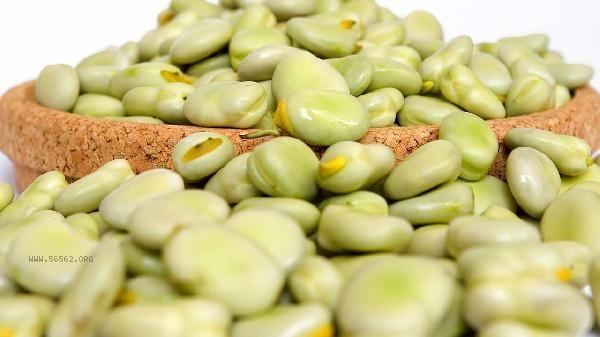
1. Quickly blanch
After boiling water, add edamame and blanch over high heat for 2-3 minutes. High temperature short-term treatment can maximize the retention of chlorophyll and avoid color yellowing caused by prolonged heating. It is recommended to have sufficient water to ensure that the water temperature does not drop sharply after the edamame is put into the pot. Fresh edamame pods have a layer of wax on their surface, which can be quickly destroyed by boiling water to aid in subsequent seasoning penetration.
2. Salt fixation
Adding 5 grams of salt per liter of water can maintain the emerald green color and enhance the freshness. Salt can replace magnesium ions in chlorophyll, forming more stable chlorophyll derivatives. Be careful to add salt after the water boils to avoid direct sprinkling on the surface of edamame, which may cause dehydration. If you like the five flavors, you can add spices such as star anise and Sichuan peppercorns to cook together.
3. Cool down with cold water
Immediately immerse in ice water or flowing cold water after removal for rapid cooling. Rapid cooling can terminate the discoloration reaction caused by residual heat and maintain the tight texture of the skin. It is recommended to control the cooling time at 3-5 minutes, as too long can cause loss of freshness. Processed edamame can be drained and refrigerated, but it is best to consume within 6 hours.
4. Avoid prolonged cooking.
The total heating time should be controlled within 8 minutes until the pods can be easily bitten open. Overcooking can cause bean separation, skin wrinkling, and a large amount of nutrients to dissolve into the water. When testing maturity, one can be removed, and the bean kernels should be fresh green with a slight crispy texture. If you need a softer and more chewy texture, you can turn off the heat and simmer for 2 minutes instead of prolonged cooking.
5. Cook and eat now
The best color is achieved within 30 minutes after cooking, and it will gradually oxidize and turn yellow with prolonged storage time. If you need to prepare in advance, you can mix the blanched edamame with olive oil. The oil film can slow down oxidation. Refrigerated edamame can be heated in the microwave for 20 seconds before consumption to restore its taste, but the color may be slightly inferior to freshly cooked edamame.
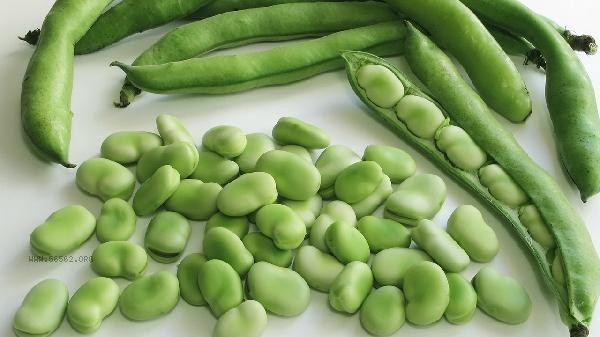
Choose plump and spot free tender edamame, and scrub with salt water to remove surface impurities before cooking. Do not cover the pot during the cooking process to avoid yellowing. When consumed, it can be paired with ginger vinegar sauce or wasabi soy sauce to enhance flavor, but the seasoning sauce is recommended to be eaten and dipped immediately. People with weak gastrointestinal function should pay attention to chewing thoroughly, as dietary fiber from legumes may cause bloating. In summer, boiled edamame can be refrigerated and used as a cold dish, refreshing and appetizing, while also supplementing with plant protein.








Comments (0)
Leave a Comment
No comments yet
Be the first to share your thoughts!