
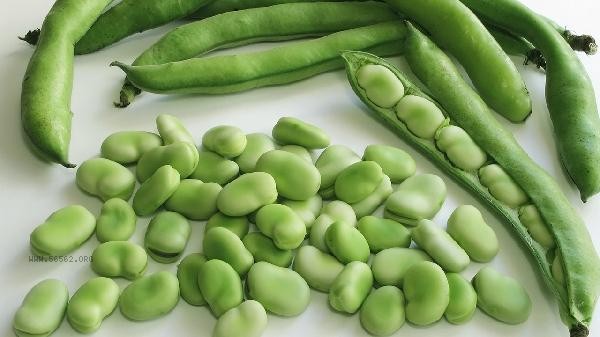
The key to keeping green when cooking edamame lies in controlling the cooking time and acid-base environment, which can be achieved by using methods such as cold water, adding salt or baking soda, and rapid cooling. There are five key points to avoid excessive heating, adjust the acidity and alkalinity of water quality, shorten cooking time, cool down in a timely manner, and choose fresh edamame.
1. Avoid excessive heating.
Chlorophyll in edamame is prone to decomposition under high temperature and prolonged heating, leading to yellowing of color. After boiling, the cooking time should be controlled at 5-8 minutes. If the color of the pods turns bright green, they can be removed. Use an induction cooker or gas stove to heat with medium heat, avoiding continuous boiling that can cause chlorophyll damage.
2. Regulating the acidity and alkalinity of water
Weak alkaline environments help stabilize chlorophyll structure. 1-2 grams of baking soda or half a spoonful of salt can be added per liter of water to maintain the pH value in the range of 7.5-8.0. Note that the amount of baking soda should not be too much, otherwise it will produce a bitter taste and affect the original sweet taste of edamame.
3. Shorten cooking time
Using boiling water fast cooking method can maximize the retention of green color. First, boil the water until it boils vigorously, then add the washed edamame and keep it on high heat. Tender edamame can be boiled for 3 minutes, while old and hard varieties can be extended to 6 minutes. During this period, do not cover the pot to prevent excessive temperature.
4. Cool down in time
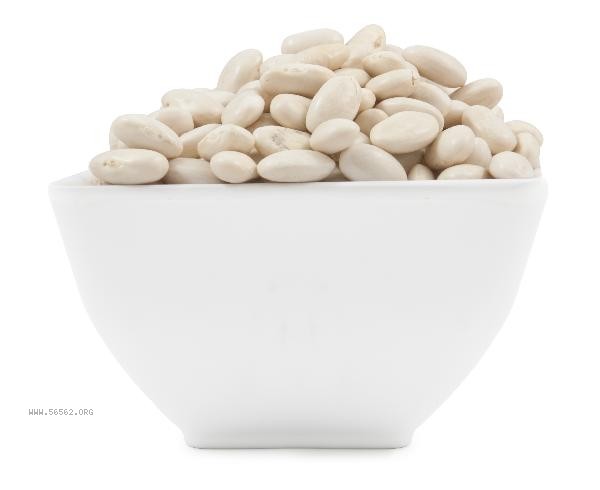
After cooking, immediately pour the edamame into ice water or cold water and soak for 3 minutes. Rapid cooling can terminate the chlorophyll decomposition caused by residual temperature and make the pod epidermis shrink more tightly. If conditions permit, a small amount of lemon juice can be added to the cooling water, and an acidic environment can assist in color fixation.
5. Choose fresh edamame
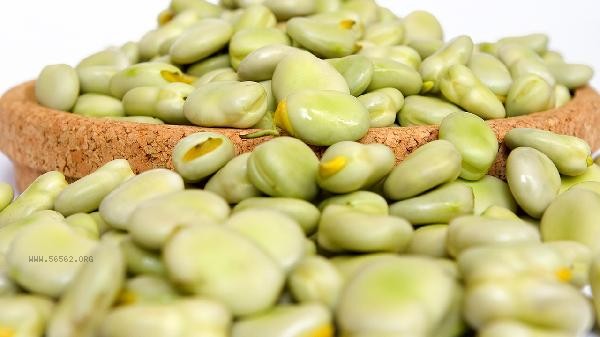
Freshly picked edamame has the highest chlorophyll content and the best pods are full and bright green. Peas stored for more than 24 hours are prone to enzymatic browning, and even optimizing the cooking process makes it difficult to maintain their green color. When purchasing, pay attention to the fact that the beans should be able to stand out clearly from the pods, without any yellow spots or shrinkage. Fresh edamame is rich in plant protein, dietary fiber, and isoflavones. It is recommended to consume 2-3 times a week, with approximately 100 grams per serving. Before cooking, it can be washed with salt water to remove surface fuzz, and stored in refrigeration for no more than 2 days. People with weak gastrointestinal function should chew thoroughly to avoid bloating caused by swallowing whole grains. Cooking with ginger shreds or Sichuan peppercorns can enhance the aroma and neutralize the slight bloating reaction that beans may cause.








Comments (0)
Leave a Comment
No comments yet
Be the first to share your thoughts!