
The key to maintaining the green color of boiled edamame lies in controlling the cooking time and temperature, which can be achieved by boiling water quickly or cooling with cold water quickly. The main methods include rapid blanching, adding salt to fix the color, avoiding covering the pot, controlling the water volume, and timely cooling.
1. Quickly blanch
After the water boils, add the edamame and keep it boiling over high heat for 3-5 minutes. High temperature short-term treatment can quickly destroy the oxidase activity that leads to chlorophyll decomposition, and can preserve the green color more effectively than long-term stewing. Fresh edamame pods are relatively tender, and excessive heating can cause cell wall rupture and accelerate discoloration.
2. Salt fixation
Add 5-8 grams of salt per liter of water. Salt water can help stabilize the structure of chlorophyll molecules. Salt infiltration into pods can form a protective layer, slowing down the contact between chlorophyll and acidic substances. Note that salt should be added after the water boils to avoid direct sprinkling on the surface of edamame, which can cause dehydration.
3. Avoid covering the pot.
Opening the lid during cooking can allow volatile organic acids to dissipate in a timely manner, reducing the damage of acidic environment to chlorophyll. Covering will cause steam condensation and reflux, creating a weakly acidic environment inside the pot. Simultaneously opening the lid facilitates observing color changes and adjusting the heat in a timely manner.
4. Control the water volume
The water volume should completely submerge the edamame and be at least 3 centimeters higher to ensure even heating. Insufficient water can cause local temperatures to become too high, leading to Maillard reaction and browning. It is recommended to use a wide mouthed shallow pot instead of a deep pot to accelerate heat transfer.
5. Timely Cooling
After boiling, immediately rinse with ice water or flowing cold water and quickly cool down to below 10 ℃. Low temperature can terminate the enzymatic reaction caused by residual heat and lock in the green color. After cooling, drain the water and spread it out to cool to avoid the accumulation of water vapor and yellowing.
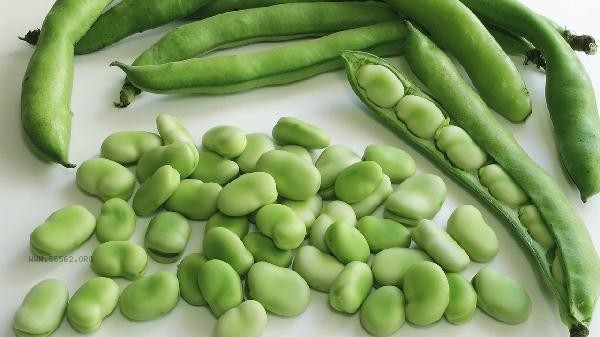
Choose fresh edamame with a bright green color and full pods, and store them refrigerated for no more than 2 days. Before cooking, scrub with salt water to remove surface fuzz and trim both ends for better flavor. When consumed, pair with dipping sauces containing citric acid or vitamin C, such as garlic paste and vinegar sauce. Acidic environments can assist in color protection. Be careful to avoid prolonged contact with iron, as metal ions can catalyze discoloration reactions. If you need to preserve boiled edamame, you can mix it with a small amount of cooking oil and isolate it from the air. Refrigerate for no more than 24 hours.








Comments (0)
Leave a Comment
No comments yet
Be the first to share your thoughts!