
The key to cooking edamame that is both delicious and green is to control the time and heat, which can be achieved by using methods such as cold water in the pot or salt soaking. The factors that affect the taste and color of edamame mainly include cooking time, pretreatment methods, seasoning techniques, water quality acidity and alkalinity, and cooling methods.
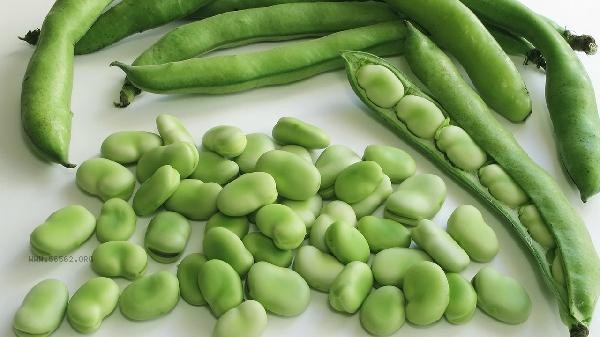
1. Cooking time
It is best to boil the water for 5-8 minutes after boiling. If the time is too short, the pods will harden, and if it exceeds 10 minutes, chlorophyll decomposition will cause yellowing. Turn off the heat immediately when lightly pinching the bean pods with your nails to easily press them. At this point, the beans are just ripe and remain crispy and tender. Not covering the pot during the entire cooking process can reduce the probability of yellowing.
2. Pre treatment method
When cleaning, use salt water to scrub and remove the surface wax layer, and cut off the ends of the pods to accelerate the flavor. Soaking in ice water for 20 minutes in advance can fill the gaps in the pods and reduce color dilution caused by water infiltration during cooking. If you pursue a brighter green color, you can add a small amount of baking soda to adjust the acidity and alkalinity.
3. Seasoning Techniques
Add 15 grams of salt to every 500 grams of edamame and boil directly in the pot. Salt can stabilize the chlorophyll structure. Spices such as star anise and Sichuan peppercorns should be wrapped in gauze to avoid staining. Garlic or chili should be added 3 minutes before cooking to enhance the flavor. After cooking, soaking for 2 hours will enhance the flavor, but soaking for more than 6 hours can cause the skin to shrink.
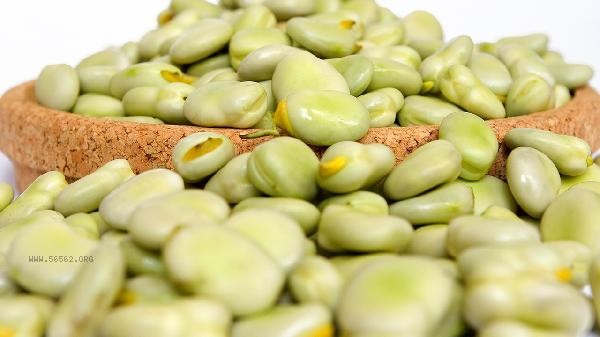
4. Water acidity and alkalinity
Weak alkaline water can better maintain the emerald green color. You can add half a teaspoon of edible alkali to the pot. If the water quality is too hard, it is recommended to use filtered water or mineral water to avoid browning caused by the combination of calcium and magnesium ions with chlorophyll. Acidic seasonings such as vinegar should be added during consumption and should not be used during the cooking stage.
5. Cooling method
Immediately quench with ice water after turning off the heat to terminate residual heating and quickly lock the color. After draining the water, spread it out and let it cool to avoid the accumulation of water vapor that may cause yellowing. When refrigerated, cover with wet gauze and consume within 48 hours to maintain the best taste. Steaming is better than boiling when reheated.
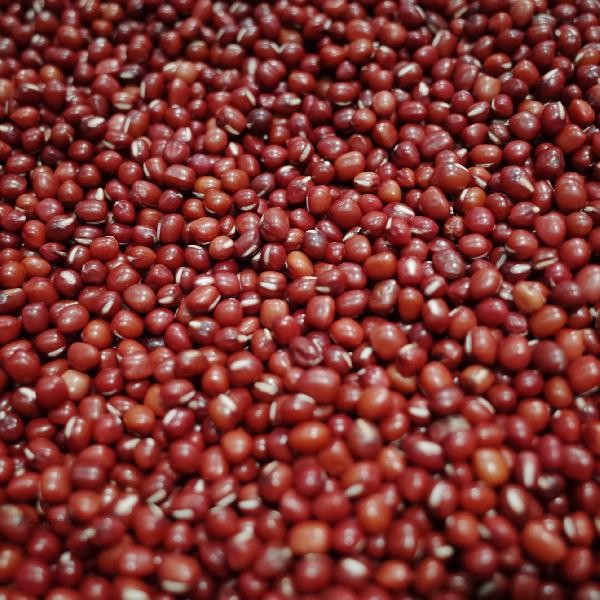
Choose plump and fresh green tender edamame, and those with dense and fluffy pods are fresher. Check for insect eyes or black spots before cooking, as these pods are prone to accumulating dirt and grime. People with weak gastrointestinal function should cook thoroughly to avoid consuming unripe bean pods that can cause bloating. Refrigerated edamame can be mixed with sesame oil or chili oil to enhance flavor when consumed again, but should not be repeatedly heated. It is advisable to control the single consumption amount between 100-150 grams, as excessive intake may affect protein digestion and absorption.








Comments (0)
Leave a Comment
No comments yet
Be the first to share your thoughts!