
The key to making beef tender and tender lies in the comprehensive use of ingredients, pretreatment, and cooking techniques.
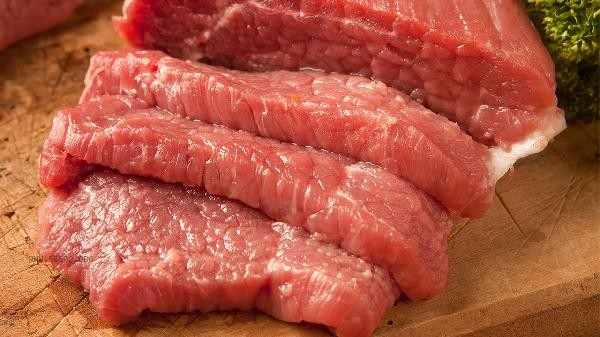
1. Material Selection
Selecting beef parts suitable for long-term stewing is the foundation. Beef brisket, ribs, tendons and other connective tissue rich areas are more prone to softening and rotting after slow stewing. These areas contain a lot of fascia and collagen, which can be converted into gelatin when heated for a long time, making the meat soft and tender. Avoid choosing pure lean meat such as beef tenderloin, as this type of meat is suitable for quick frying but easy to cook over time.
2. Pre treatment
Proper treatment of beef in advance can significantly improve its taste. Cut the beef into large pieces against the grain and destroy the muscle fiber structure. Soaking in clean water for more than 1 hour can remove blood and reduce fishy odor. Some chefs suggest briefly marinating with pineapple juice or papaya juice, where the protease can break down the flesh fibers, but the time should not exceed 30 minutes to avoid excessive softening.
3. Temperature control
The ideal step heating method is to start with high heat and then start with low heat. Quickly blanch the meat juice in high fire and then turn to low fire for slow stewing to keep the Noodles in soup slightly bubbling. Use insulated containers such as clay pots, cast iron pots, or pressure cookers to accelerate the softening process. The traditional method requires stewing for 2-3 hours, while the pressure cooker can shorten it to about 40 minutes.
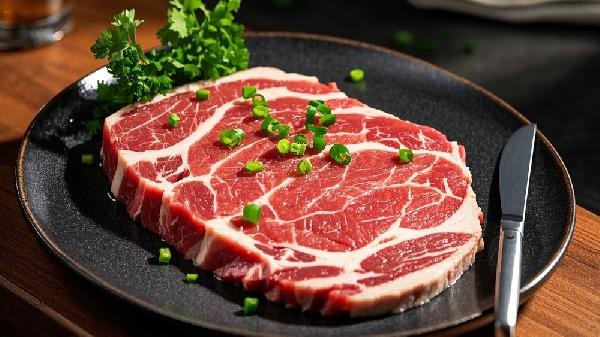
4. Adding auxiliary materials
Acidic substances and enzymes can help soften meat. Adding a small amount of vinegar, hawthorn, or tea can promote fiber breakdown. Sugar can undergo Maillard reaction with amino acids to enhance flavor, but it needs to be added in the later stage of stewing to prevent coking. Spices such as fragrant leaves and grass fruits can not only remove fishy odors, but their volatile oils can also penetrate the gaps between meat.
5. Temperature Management
Do not eat immediately after stewing is completed. Turn off the heat and let it simmer for more than 30 minutes, using the remaining temperature to continue softening. Beef that is refrigerated overnight and reheated often tastes more flavorful, soft, and tender, as collagen will re solidify and form a gelatinous substance during the cooling process. When reheating, it is necessary to slowly increase the temperature over low heat to avoid sudden high temperatures causing meat shrinkage.
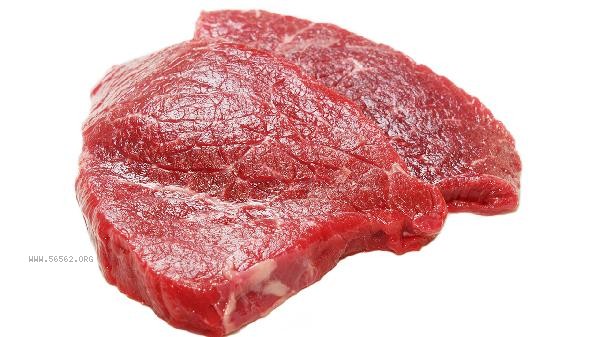
To achieve the desired taste, attention to detail is also necessary. Fresh beef is easier to stew than frozen meat, so it should thaw naturally to avoid water loss. During the stewing process, the amount of water should never exceed the amount of ingredients, and hot water is needed to add water midway. Salt should be added during the later stages of stewing, as adding salt too early can cause protein to solidify prematurely. Paired with oil absorbing vegetables such as radish and potatoes, it can balance the greasy feeling. The time required for different varieties of beef varies slightly, with yellow beef being more tender and tender than water beef, and the cooking time can be adjusted appropriately. After mastering these key points, home cooked braised beef, tomato beef brisket and other dishes can be easily made into restaurant grade flavors.








Comments (0)
Leave a Comment
No comments yet
Be the first to share your thoughts!