
Climbing stairs to lose weight can be achieved by adjusting exercise intensity, controlling exercise time, cooperating with dietary management, maintaining correct posture, monitoring body reactions, and other methods. Climbing stairs is an aerobic exercise that can effectively burn calories, but it needs to be scientifically arranged according to individual physical abilities.
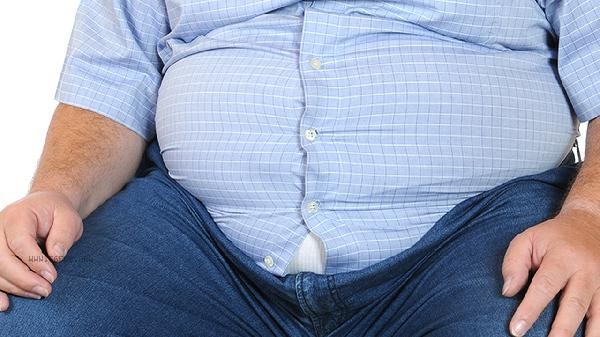
1. Adjust exercise intensity
In the initial stage, you can start by climbing 5-10 flights of stairs every day and complete it in 2-3 times. After adaptation, gradually increase to climbing 15-20 layers continuously each time, maintaining a heart rate of 60% -70% of the maximum heart rate. To avoid muscle damage caused by sudden high-intensity exercise, alternating between slow and uniform speed and intermittent fast crawling can be used to improve fat burning efficiency.
2. Control exercise time
It is recommended to limit the time for climbing stairs to 20-30 minutes per climb, at least 3-5 times a week. Reserve 5 minutes before and after exercise for warm-up and stretching to prevent excessive pressure on the knee joint. Avoid exercising immediately after meals, and the best time is 1 hour before breakfast or after dinner.
3. In conjunction with dietary management [SEP], it is necessary to simultaneously reduce the intake of high-fat and high sugar foods, and maintain a daily calorie deficit of 300-500 kcal. After exercise, high-quality protein such as eggs and milk can be supplemented to help muscle repair, and moderate intake of whole grains, vegetables, and fruits can ensure metabolic balance. Avoid overeating after exercise to counteract the effect of depletion.
4. Maintain the correct posture
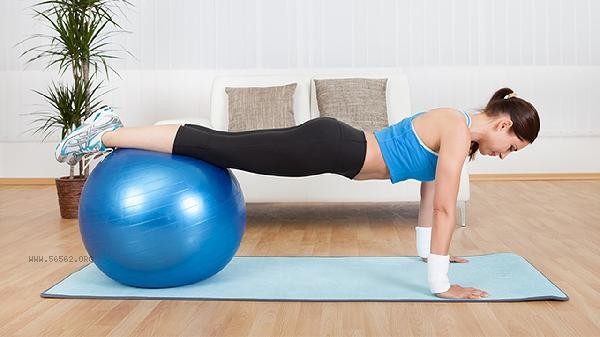
Slightly lean forward, tighten the core to avoid waist compensation, and land on the entire foot to reduce knee impact. When going downstairs, it is especially important to control the speed. It is recommended to go downstairs sideways or use the elevator to return. Wear sports shoes with good cushioning performance and use knee pads if necessary to reduce joint wear.
5. Monitor physical response
If knee joint pain or dizziness occurs, exercise should be stopped immediately. For those with a large weight base, it is recommended to first lose weight through low impact exercises such as swimming. It can be used in conjunction with a body fat scale to record weekly changes. If there is no progress for two consecutive weeks, the exercise plan needs to be adjusted. Patients with combined cardiovascular diseases should undergo treatment under the guidance of a doctor. Climbing stairs to lose weight requires long-term persistence, and it is recommended to set a tiered goal such as losing 1-2 kilograms per month. After exercise, use foam shaft to relax leg muscles, and soak feet with hot water before going to bed to promote blood circulation. Avoid prolonged sitting in daily life and get up and move for 5 minutes every hour. If there is persistent knee discomfort or sports injury, seek medical attention promptly to assess whether physical therapy or sports rehabilitation guidance is needed.









Comments (0)
Leave a Comment
No comments yet
Be the first to share your thoughts!