
The cleaning of pesticide residues in vegetables can be carried out using methods such as rinsing with running water, soaking in baking soda, soaking in rice washing water, soaking in salt water, and peeling treatment. Pesticide residues may cause harm to the human body through skin contact or ingestion, and scientific cleaning methods should be mastered to reduce risks.
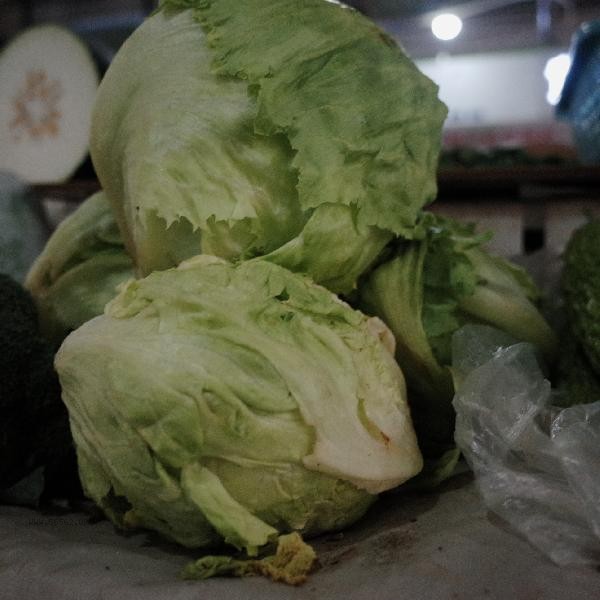
1. Rinse with running water
Placing vegetables under flowing water for rinsing is the most basic way to remove pesticides. When washing, break open the vegetable leaves one by one, focusing on washing the petioles and folds of the leaves for at least 3 minutes. This method can remove most of the water-soluble pesticides on the surface, but its effect on penetrating pesticides is limited and needs to be used in conjunction with other methods.
2. Baking soda soaking
Add 5 grams of edible baking soda per liter of water to prepare an alkaline solution, soak the vegetables for 10 minutes, and then rinse. Alkaline environment can decompose organophosphorus pesticides and has a significant removal effect on fat soluble pesticides. Pay attention to thoroughly rinsing with running water after soaking to avoid alkaline substances affecting the taste.
3. Soak in rice washing water
Soak vegetables in the second layer of rice washing water for 15 minutes. Rice washing water contains starch particles that can adsorb some pesticide molecules, and its weakly acidic environment helps to degrade specific pesticide components. This method is suitable for cleaning leafy vegetables, but it is necessary to ensure that the rice washing water is free of mold or odor.
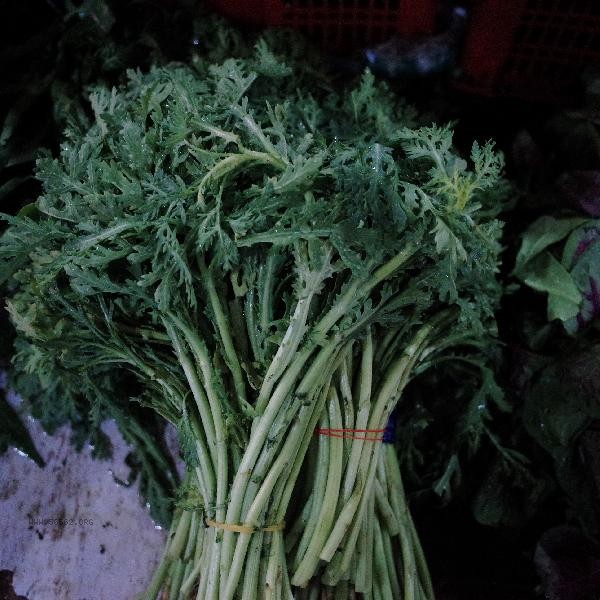
4. Salt water immersion
Soaking vegetables in 3% concentration salt water for 5 minutes can promote pesticide leaching. Sodium chloride can destroy the chemical bond structure of some pesticides, especially effective for pyrethroid pesticides. High concentration salt water may damage the structure of vegetable cells, so it is necessary to rinse twice with clean water after soaking.
5. Peeling treatment
Cucumber, eggplant and other vegetables with skin can be directly peeled off by 1-2 millimeters. Pesticide residues are mostly concentrated in the surface wax layer, and peeling can remove more than 90% of the residues. This method is not applicable to leafy vegetables and may cause partial loss of dietary fiber and nutrients.
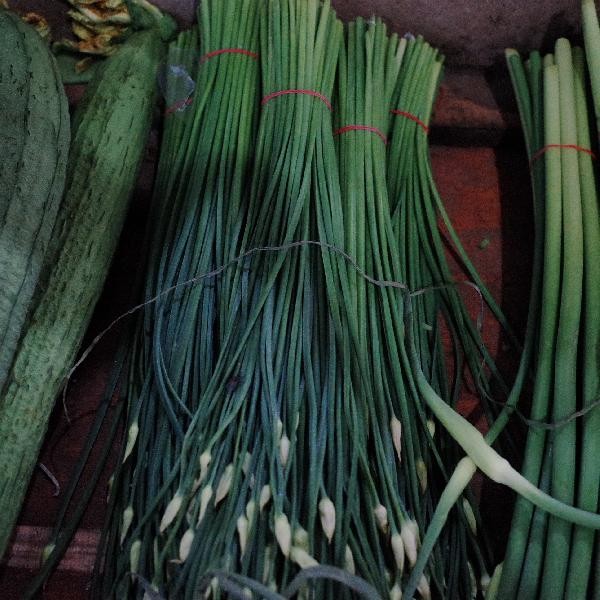
When choosing vegetables in daily life, prioritize seasonal vegetables or organic certified products to reduce the risk of pesticide exposure. After cleaning, it is recommended to blanch the vegetables to further reduce residue, and the blanching time should be controlled within 1 minute to preserve nutrients. Keep dry and ventilated during storage to avoid secondary pollution. Long term exposure to pesticide residues may affect the nervous system and endocrine function, and special populations such as pregnant women and children need to pay more attention to cleaning methods. If you experience symptoms such as dizziness and nausea after ingesting pesticide contaminated vegetables, you should seek medical attention immediately and bring remaining vegetable samples for testing.








Comments (0)
Leave a Comment
No comments yet
Be the first to share your thoughts!