
The purchased pork can be cleaned thoroughly using methods such as rinsing with running water, rubbing with flour, soaking in salt water, etc. Pork may have residual blood, oil, or impurities on its surface. Proper cleaning methods can reduce the risk of bacterial contamination while maintaining the texture and taste of the meat.

1. Rinse with flowing water
Placing pork under flowing water and repeatedly rinsing is the most basic method. Water flow can carry away dust and some blood adhering to the surface. When washing, gently rub the surface of the meat block with your hands, focusing on treating the crevices and folds of the fat layer. Note that the water temperature should not be too high to avoid protein denaturation and nutrient loss. The flushing time should be controlled at around 3 minutes, as excessive flushing may result in loss of water-soluble vitamins.
2. Rub with flour
Take a small amount of flour and sprinkle it evenly on the surface of the pork. Gently rub with your hands for 2 minutes. Flour particles have an adsorption effect, which can effectively remove oil and impurities, especially suitable for processing parts with a lot of fat. After scrubbing, rinse the flour residue with clean water. This method has a certain effect on removing the fishy smell, but it is important to note that the amount of flour used should not be too much to avoid affecting the subsequent cooking taste.
3. Soaking pork in salt water
Soaking pork in light salt water for 10 minutes can help to separate the blood. The salt concentration is controlled at around 3%, which means adding 15 grams of salt to 500 milliliters of water. Saltwater osmotic pressure can cause muscle tissue to contract and expel residual fluid from the interior, while inhibiting the growth of some bacteria. After soaking, rinse with clean water again to avoid salt residue causing the meat to turn dry. This method is suitable for treating bony parts such as pork ribs.
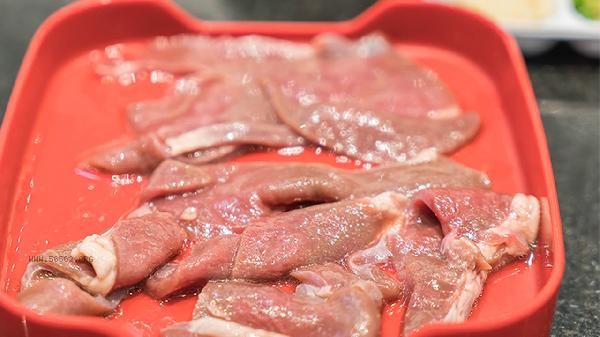
4. Baking soda treatment
For older meat parts, soak them in a 1% concentration baking soda solution for 15 minutes. A weakly alkaline environment can soften muscle fibers, break down some fat, and make meat more tender and smooth. After processing, it must be thoroughly rinsed to avoid residual alkali odor. This method is not suitable for frequent use, as excessive processing may damage the original flavor of the meat.
5. Rinse with vinegar water
Rinsing with diluted white vinegar water can help remove fishy smell and kill bacteria. Prepare a solution with a water to vinegar ratio of 10:1, soak the pork for 5 minutes, and then rinse. Acetic acid can dissolve some fat and neutralize amine substances, but soaking for too long can cause the meat to become sour. This method is particularly suitable for cleaning pig organs, but it needs to be used in conjunction with other cleaning steps.
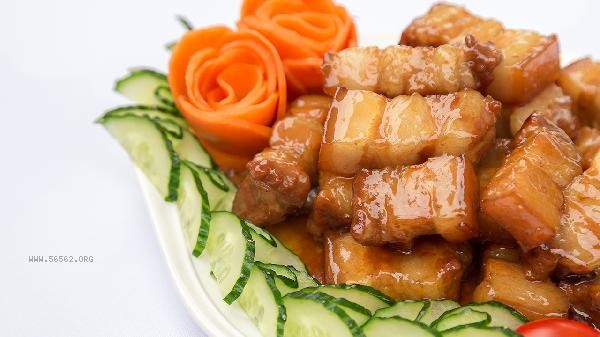
It is recommended to use kitchen paper to absorb the surface moisture of cleaned pork before storing or cooking, to avoid the growth of bacteria in water stains. Pork from different parts can be combined using the above methods, such as washing pork belly with flour first and then soaking it in salt water. Pay attention to using raw and cooked food cutting boards separately, and disinfect hands and utensils with hot water in a timely manner after processing raw meat. If pork is found to have a strange odor, mucus, or abnormal color, it should be stopped from consumption. For daily storage, it is recommended to pack and freeze separately. When thawing, place it in the refrigerator to slowly thaw, which can better maintain the meat quality.








Comments (0)
Leave a Comment
No comments yet
Be the first to share your thoughts!