
The oil in beef soup can be removed through methods such as refrigeration solidification, adsorption, chilling separation, scooping with a skim spoon, and flour adsorption. Choosing the appropriate method can effectively reduce the fat content in the soup, while preserving its nutrition and flavor.
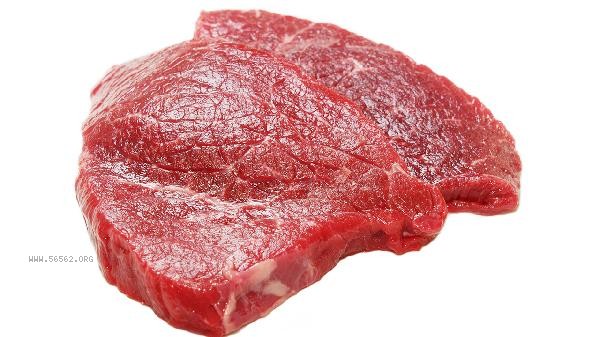
1. Refrigerated Solidification Method
The cooked beef soup is naturally cooled and placed in the refrigerator for refrigeration. The low temperature will cause the oil to solidify into white lumps and float on the surface. Use a spoon or filter to directly scrape off the solidified grease. This method is suitable for situations where people are not in a hurry to eat, as it can remove most of the animal fat while avoiding high temperature operations that can damage the nutritional components in the soup.
2. Adsorption method
Place washed ice cubes or ice packs in warm soup, and the oil will adhere to the surface of the ice cubes when it cools down. You can also use oil absorbing bread slices or kitchen paper to spread Noodles in soup, and take them out after they have absorbed enough grease. This method is easy and fast to operate, suitable for removing small amounts of oil, but attention should be paid to avoiding excessive dilution of the soup due to the melting of ice cubes.
3. Ice Separation Method
Pour the soup into a sealed container and place it in an ice water bath for rapid cooling. The oil layer will quickly solidify and separate from the soup. Using a separating funnel or tilting container to slowly pour can achieve complete separation of the oil soup. This method is suitable for making clear soup that requires complete oil removal, but requires professional equipment assistance.
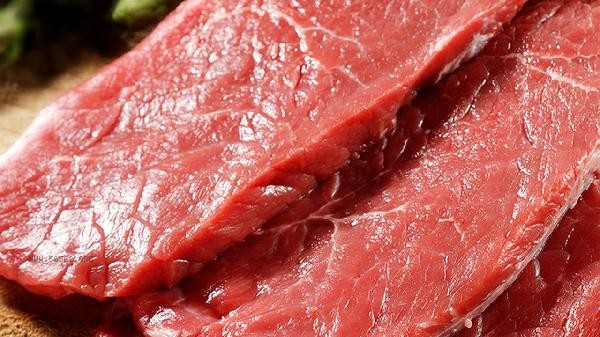
4. Take out the soup with a skimming spoon. When boiling, use a long handled skimming spoon to gently scrape off the foam and oil along the edge of the pot, or use a special oil remover to remove the surface oil droplets. This method requires continuous operation and is suitable for stewing while removing oil. It can maintain the temperature of the soup but has a relatively low efficiency in removing oil.
5. Flour adsorption
Sprinkle a small amount of flour on Noodles in soup, stir it, and boil it. Flour particles will wrap oil to form flocs and sink to the bottom. After settling, filter to obtain clear soup. This method is suitable for thick soup to remove oil, but it may change the consistency of soup. People who need to control carbon water intake such as diabetes should use it carefully.
It is recommended to choose the method of removing oil from beef soup according to consumption needs, and retain an appropriate amount of oil to enhance flavor and absorption of fat soluble nutrients. After removing oil, the soup can be paired with ingredients such as radish and seaweed to balance nutrition. Hypertensive patients should thoroughly remove oil. When stewing soup in daily life, beef can be blanched in advance to remove blood foam, which can reduce the difficulty of removing oil in the later stage. It is not recommended to reuse the processed oil to avoid oxidation and deterioration that may affect health.








Comments (0)
Leave a Comment
No comments yet
Be the first to share your thoughts!