
Glass cup tea stains can be easily removed with natural cleaning agents such as white vinegar, baking soda, citric acid, etc., to avoid scratching the cup wall with hard brushes. Tea stains are mainly formed by the oxidation and deposition of tea polyphenols, and long-term accumulation may breed bacteria, requiring regular cleaning.
1. White Vinegar Soaking Method
Mix white vinegar with water in a 1:1 ratio and pour it into a cup. Let it stand for 30 minutes to dissolve the tea stains with acetic acid. Acetic acid can soften calcium precipitates and has a significant effect on stubborn tea stains. After soaking, wipe the inner wall with a soft cloth and rinse with water. This method is suitable for various materials such as ceramics and glass. After cleaning, it is necessary to thoroughly rinse to avoid residual acetic acid affecting the taste of subsequent use.
2. Baking Soda Grinding
Take a small amount of baking soda powder and wet it into a paste, then gently wipe the cup wall in circles with a sponge. The micro particles of sodium bicarbonate have mild grinding properties, which can physically remove tea stains without damaging the glass surface. When dealing with dark tea stains, a small amount of salt can be added to enhance the friction effect. After cleaning, rinse with hot water to remove alkaline residues, which is suitable for daily mild tea stain care.
3. Citric acid hot solution
Dissolve 1 tablespoon of citric acid in 200ml of hot water, pour into a teacup and soak for 20 minutes. Citric acid can chelate with metal ions in tea stains, and is particularly effective for the formation of dark oxides in black tea and Pu erh tea. High temperature can accelerate the reaction rate, and after processing, a faint lemon fragrance can be smelled. There is no need to worry about chemical residues, but this method should be used with caution for gold-plated cups.

4. Toothpaste assisted cleaning
Use regular white toothpaste to apply to the tea stains, and gently brush with a toothbrush in a circular motion. The friction agent and surfactant in toothpaste can decompose organic pigments and have a significant effect on the tea stain ring deposited on the cup mouth. Pay attention to choosing toothpaste that does not contain whitening agents. After cleaning, rinse it multiple times to avoid residual mint flavor. This method is suitable for treating stubborn stains in local areas.
5. Steam softening method
Place a glass upside down at the mouth of a boiling kettle and steam it for 5 minutes to soften the tea stains. High temperature steam can penetrate the gaps in the cup wall, causing sediment to expand and fall off, which can be easily wiped off with a soft cloth. This method has no risk of chemical contamination and is particularly suitable for glass cups with carved designs. However, it is necessary to prevent burns during operation and repeat the operation for heavy tea stains.
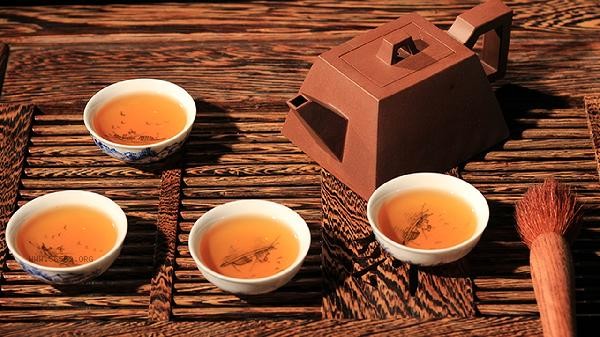
It is recommended to clean tea utensils weekly to avoid tea stains. New stains can be removed by rinsing with warm water. Tea cups that have been used for a long time can be thoroughly cleaned once a month. After cleaning, they should be inverted and dried to prevent water stains from remaining. Avoid scratching with hard objects such as steel wire balls, as glass materials are more prone to dirt attachment after damage. Timely rinsing after drinking tea can effectively reduce the deposition of tea polyphenols, and choosing tea utensils with smooth glaze can also reduce the difficulty of cleaning. If the tea stains are accompanied by an odor, they can be disinfected by boiling concentrated salt water.








Comments (0)
Leave a Comment
No comments yet
Be the first to share your thoughts!