
The key to clean and odorless treatment of pig liver lies in thorough soaking, removal of fascia, and scientific blanching. There are mainly five steps: rinsing with running water, soaking in white vinegar, kneading starch, pickling with cooking wine, and low-temperature blanching.
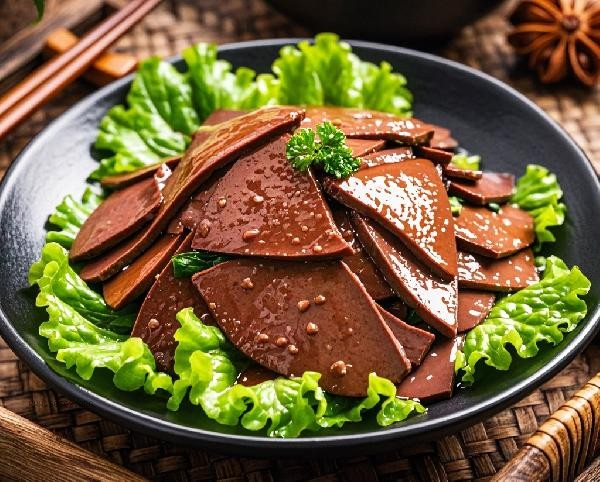
1. Rinse with running water
Fresh pig liver needs to be repeatedly rinsed with surface blood under running water, gently rubbing the gaps between liver leaves with fingers to remove residual blood stasis. During flushing, the liver lobes can be split in half to ensure that impurities in the internal blood vessels are flushed out. Continue rinsing for about ten minutes until the water quality becomes clear, which can remove most of the fishy odor sources.
Step 2: Soak in White Vinegar
Put the washed pig liver into a container, add water and a small amount of white vinegar to completely immerse it, with a vinegar water ratio of about 1:15. White vinegar can decompose fishy substances in liver tissue and soften blood vessels. The soaking time should be controlled at around 30 minutes. You can change the water halfway and observe that the water color changes from pink to light.
3. Rub the starch. After soaking, drain the water from the pig liver and sprinkle an appropriate amount of starch evenly to wrap the surface. Gently rub the liver leaves with your hands, starch granules can absorb residual blood and mucus. After kneading for two minutes, rinse with clean water. At this point, the surface of the pig liver should present a uniform dark red color with a refreshing touch.
4. Marinate with cooking wine
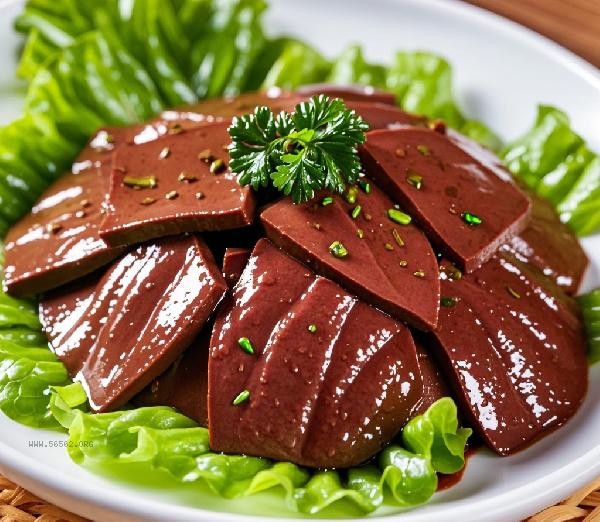
Cut the processed pork liver into slices or pieces, add ginger slices, scallions, and cooking wine, mix well, and marinate for 15 minutes. The alcohol in cooking wine can evaporate and remove odor substances, while the volatile components contained in ginger and scallions can further neutralize the fishy smell. Note that the pickling time should not be too long to avoid excessive alcohol penetration and affect the taste.
5. Low temperature blanching
Add water to a pot and heat until around 60 degrees Celsius. Add pig liver and keep the heat low to keep the water temperature below 80 degrees Celsius. Blanch for 1 minute. Low temperature blanching can slow down the solidification of surface proteins to lock in freshness, while also allowing residual blood foam to precipitate. Immediately tighten the tissue with supercooled water after removing it, and at this time, the pig liver has no fishy smell and remains tender and smooth.
Processed pig liver is suitable for stir frying, soup making, or cold mixing. It is recommended to pair it with vegetables rich in vitamin C such as chives and spinach to help absorb iron. It is advisable to limit the weekly intake to 100-150 grams, and hypertensive patients should reduce the frequency of intake. If abnormal spots or strong odor are found in pig liver, there may be a risk of disease and it should be discarded and not eaten. When storing, it should be sealed and refrigerated, and cooked within 24 hours to avoid repeated thawing and affecting the taste.









Comments (0)
Leave a Comment
No comments yet
Be the first to share your thoughts!