
The correct methods for cleaning pig liver mainly include soaking in blood free water, removing fascia, rinsing with running water, blanching, and secondary cleaning after slicing. Pig liver is a nutrient rich ingredient in animal organs, but due to its metabolic function and structural characteristics, there may be problems such as blood contamination and toxin residue, which require scientific cleaning to ensure food hygiene.
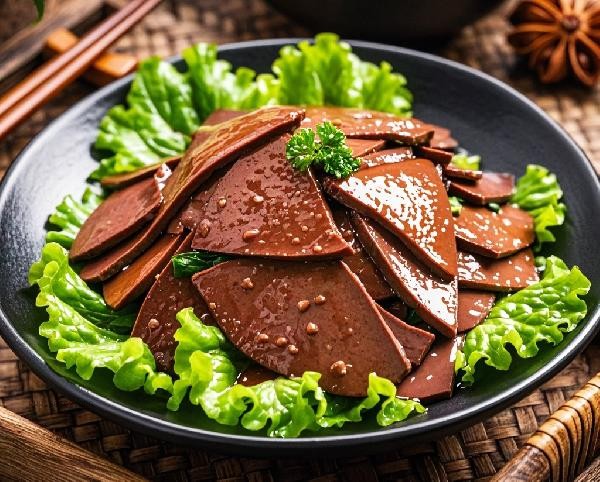
1. Soak in Bloody Water
Soak intact pig liver in clean water for more than 30 minutes, and add a small amount of white vinegar or salt to the water. Acidic environment helps to precipitate blood, and the water should be changed every 10 minutes until there is no obvious blood color after soaking. Operating in low temperature environments can prevent bacterial growth, and it is recommended to refrigerate and soak in summer.
2. Remove fascia
Use a knife tip to open the pig liver membrane and peel off the gray white fascia tissue on the surface. These connective tissues not only affect taste, but may also accumulate metabolic waste. During processing, pay attention to maintaining the integrity of the liver and avoiding bile contamination of the liver parenchyma. If residual green bile ducts are found, they should be removed along with the surrounding tissues.
3. Rinse with running water
Gently rub the folds of the liver lobes with fingertips under flowing water, focusing on washing the vascular section and bile duct incision. The water flow pressure should not be too strong to avoid damaging the tissue structure. Continue flushing until there are no blood streaks floating in the water. It can be used in conjunction with food grade baking soda to assist in cleaning, but the amount should be controlled to avoid the alkaline taste affecting the flavor.

4. Blanching treatment
Place whole pig liver in cold water, add ginger slices and cooking wine, boil and immediately remove. Blanching water can further solidify residual blood proteins, forming a protective film on the surface of the liver. The boiling time of water should be controlled within 20 seconds. Excessive heating can cause the outer layer to harden and affect the subsequent cooking tenderness. After blanching, rinse with cold water to cool down.
5. After slicing, clean again.
Slice or cut into pieces according to cooking requirements, and rinse with diluted salt water again. At this point, the tissue cross-section is exposed, which can more thoroughly remove residual capillaries. After washing, it is necessary to fully drain or use kitchen paper to absorb surface moisture to avoid oil explosion during frying and reduce nutrient loss. The processed pig liver should be cooked as soon as possible and stored in refrigeration for no more than 12 hours. It is recommended to eat vegetables and fruits rich in vitamin C together, such as green peppers and broccoli, which can help absorb iron. Special populations such as pregnant women and patients with hyperuricemia should control their consumption frequency, with a recommended intake of 100 grams per time. If abnormal blackening or odor is found in the liver, it should be immediately stopped from consumption. When making daily purchases, choose fresh pig liver with a bright red color, luster, and no bruises or spots to ensure food safety from the source.








Comments (0)
Leave a Comment
No comments yet
Be the first to share your thoughts!