
Strapped live crabs can be directly washed with flowing water to remove surface sediment, but it is not advisable to loosen the rope for deep cleaning. Crabs may have sediment, algae, or parasites attached to their surface. When cleaning, it is important to avoid being pinched and to preserve the natural protective layer of the crab shell.

The crab binding state is to prevent the operator from being pinched, and there is no need to untie the rope during cleaning. Place the crab with its belly facing upwards under the faucet, and use moderate water flow to flush the crevices, joints, and navel of the crab shell, with a focus on removing visible dirt. After rinsing, you can use a soft bristled brush to lightly brush the pattern on the back shell, but avoid vigorously scrubbing the roots of the crab legs or the binding points of the crab claws to avoid stimulating the crab's struggle and causing the rope to loosen. If the crab shell is found to be damaged or has a strange odor, it is recommended to stop consuming it. Some consumers mistakenly believe that it is necessary to untie the rope and thoroughly scrub the crab gills or internal organs, which carries risks. Live crabs may injure people after breaking free, and excessive cleaning can damage the freshness of the crab meat. Bundled crabs usually have undergone initial cleaning at the farm and only require a simple rinse before cooking at home. If the crab is tied too tightly or has damaged limbs, it may affect its freshness. In such cases, you can contact the merchant for replacement.
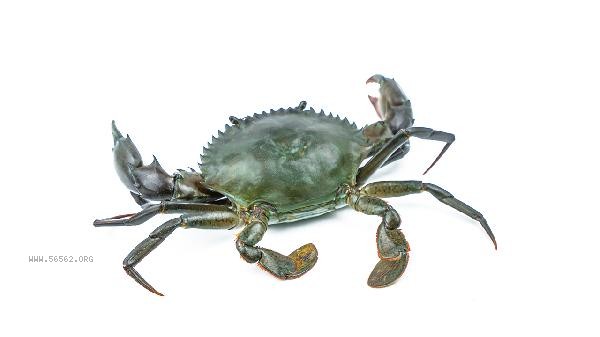
It is recommended to cook the cleaned crabs as soon as possible to avoid prolonged soaking that can cause water absorption and affect the taste. Before steaming, a small amount of yellow wine can be sprayed to remove the fishy smell, but salt or vinegar should not be used to directly scrub the crab shells. When handling live crabs, it is necessary to wear kitchen gloves and disinfect the workbench in a timely manner. Crabs are a cold food, and those with spleen and stomach deficiency should consume them with ginger vinegar. Those with allergies should try with caution. If abnormal conditions such as loose crab meat and ammonia smell are found, consumption should be stopped immediately.








Comments (0)
Leave a Comment
No comments yet
Be the first to share your thoughts!