
Glass tea sets need to be thoroughly cleaned and disinfected before their first use. The main methods include boiling water hot washing, soaking in white vinegar, scrubbing with baking soda, scrubbing with salt, and dissolving with citric acid.

1. Boiling water hot washing
Fully immerse the tea set in boiling water and boil for 5 minutes. High temperature can effectively kill residual microorganisms during production and transportation. Be careful to avoid sudden cooling and heating that may cause the glass to explode. Wait for the water temperature to naturally drop below 60 ℃ before removing it. This method is particularly suitable for high temperature resistant borosilicate glass tea sets, which need to be inverted and drained of water after cleaning.
2. Soak in white vinegar
Mix edible white vinegar with warm water in a ratio of 1:3 and soak the tea set for more than 2 hours. Acetic acid can dissolve alkaline substances and residual metal oxides on the surface of glass, and has a significant cleaning effect on details such as spout and filter screen. After soaking, gently brush the gaps with a soft bristled brush, and finally rinse three times with clean water to remove the sour taste.
3. Baking Soda Scrubbing
Take a small amount of baking soda powder and mix it into a paste. Dip it in a sponge and gently wipe the inner wall of the tea set. The micro particles of baking soda can physically remove oily residues such as mold release agents, and will not scratch the glass surface. When dealing with the deposition of tea stains, the intensity can be appropriately increased, and after cleaning, it needs to be thoroughly rinsed with running water.
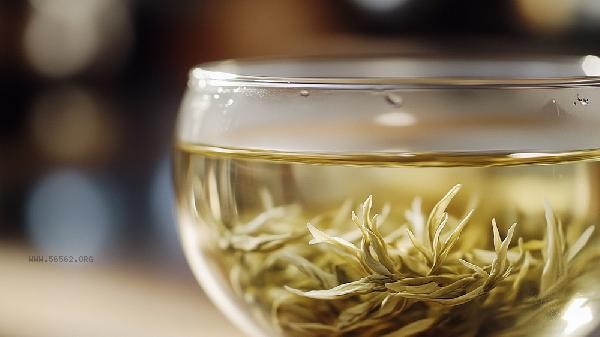
4. Salt scrubbing
Coarse salt particles can be used as natural abrasives, combined with warm water to form an electrolyte solution. Take half a teaspoon of salt and place it inside a damp tea set. Wrap your fingers in gauze and rub in circles for 10 minutes, focusing on areas such as the cup mouth that are prone to fingerprint residue. This method has a good effect on removing invisible dirt on the surface of glass, but attention should be paid to controlling the force to avoid scratches.
5. Dissolve 5 grams of food grade citric acid in 1 liter of warm water. Soak the tea set completely for 30 minutes. Citric acid chelation can decompose the precipitation of calcium and magnesium ions in water quality, preventing the formation of scale and white mist on glass. For tea sets with metal accessories, this method can also prevent metal oxidation. It is recommended to rinse with purified water after cleaning.
Newly purchased glass tea sets should avoid using chemical cleaning agents such as dishwashing detergent before their first use to prevent the formation of a chemical adsorption layer on the surface of silicate glass, which can affect the taste of the tea soup. After cleaning, it is recommended to soak and rinse with boiling water at least 3 times, with each soaking time not exceeding 2 minutes. During daily maintenance, ultra-fine fiber cloth can be used to wipe, and the storage environment should be kept ventilated and dry. When not in use for a long time, each component should be disassembled and placed separately. Regularly disinfecting the contact area between tea utensils and lips with 75% alcohol cotton pads can prolong the service life of tea utensils and ensure drinking hygiene.








Comments (0)
Leave a Comment
No comments yet
Be the first to share your thoughts!