
Waxed fruits can be washed with warm water and salt, or soaked and cleaned with fruit and vegetable cleaner. The wax on the surface of fruits mainly includes three types: natural fruit wax, edible wax, and industrial wax. Different types of wax require targeted treatment.

1. Warm water salt method
Mix warm water at around 40 ℃ with a small amount of salt, soak the fruit for 5 minutes, and gently rub and wash. The tiny particles of salt can help dissolve the wax layer, and warm water can soften most of the edible wax. This method is suitable for fruits with hard skin such as apples and pears. After cleaning, rinse the salt with running water to avoid affecting the taste.
2. Fruit and vegetable cleaner
Choose a natural plant-based cleaner with coconut oil as the ingredient, dilute according to the instructions, and soak the fruit for 3-5 minutes. Surfactants in cleaning agents can effectively decompose wax molecules and have a good removal effect on industrial wax residues. When cleaning citrus fruits, you can use a soft bristled brush to gently brush the depressions.
3. Baking soda soaking
Add 10 grams of baking soda per liter of water and soak waxed fruits for 8-10 minutes. Baking soda's weak corrosiveness can damage the wax structure, making it particularly suitable for cleaning small fruit particles such as grapes and blueberries. After processing, it is necessary to rinse repeatedly to avoid residual alkaline substances.

4. Starch adsorption method
Spread potato starch or corn starch evenly on the surface of the fruit, let it stand for 2 minutes, and then wipe it with a damp cloth. Starch granules can adsorb and peel off wax, making them suitable for processing fragile fruits such as peaches and plums. This method has a significant effect on natural fruit wax, but has limited effectiveness in removing industrial wax.
5. Rinse with vinegar water
Mix white vinegar and water in a ratio of 1:3, spray on the surface of the fruit, and let it stand for 1 minute. Acetic acid can dissolve some synthetic wax and also has bactericidal effects. This method is suitable for cleaning strawberries and other berries that are not resistant to soaking. After use, they should be thoroughly rinsed to avoid residual sour taste.
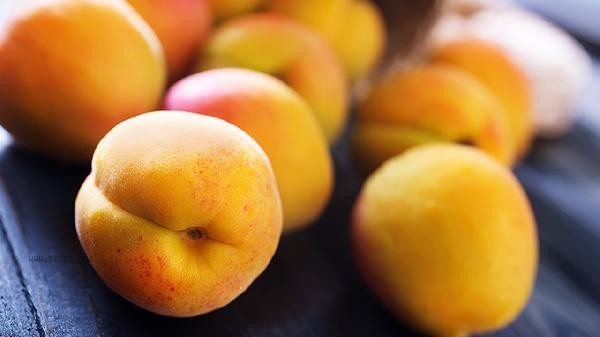
After cleaning, it is recommended to peel and consume fruits with high risk of industrial wax residue, especially for children and pregnant women. When making daily purchases, priority should be given to unpolished fruits with fruit powder. Organic certified products usually use wax in a more standardized manner. Thoroughly dry the moisture before storage, as a humid environment can promote the growth of microorganisms in the wax layer. If there is still a noticeable slippery feeling after cleaning, the above method can be repeated or the cleaning method can be changed.








Comments (0)
Leave a Comment
No comments yet
Be the first to share your thoughts!