
Crab cleaning can be achieved through steps such as scrubbing, soaking, and removing internal organs, with the key being to thoroughly remove sediment and harmful substances. There are mainly methods such as brushing the shell, soaking in diluted salt water, removing gill stomachs, rinsing with flowing water, and high-temperature steaming.
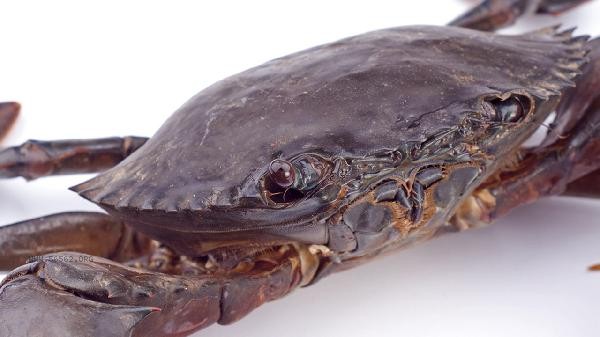
1. Brush the shell
Use a hard bristled brush to repeatedly brush from the edge of the crab shell towards the abdomen, focusing on cleaning the crab claws fluff and joint gaps. The concave part of the crab shell is prone to hiding sediment, so it is necessary to tilt the bristles at a 45 degree angle for deep cleaning. When brushing, keep the crab's abdomen facing upwards to avoid being pinched by its claws. Fresh crab shells should be brushed until there is no slippery feeling, indicating that the cleaning is in place. Frozen crabs need to be thawed before brushing.
2. Soak the crab in diluted salt water
Soak the crab in 3% diluted salt water for 20 minutes. The salt water can stimulate the crab to expel impurities from its body. The best effect is to control the water temperature around 20 ℃, as overheating can cause crab death. During this period, a small amount of white vinegar can be added to help break down the outer shell mucus, with 5 milliliters added for every 500 grams of water. The appearance of black sediment on the bottom of the water after soaking indicates effective cleaning.
3. Remove gill stomach
Open the triangular soft shell of the crab navel and use scissors to cut off the feather shaped gill leaves along the edges. The crab stomach is located at the front end of the head and chest armor, and a sac like black stomach bag needs to be clipped out with tweezers. Keep crab roe and crab paste during processing, which are high-quality edible proteins. If black gills or peculiar odor are found, it indicates that the crab's growth environment is poor and the cleaning time needs to be extended.

4. Rinse with flowing water
Rinse with flowing water from the base of the crab claws towards the fingertips, with water pressure controlled below 0.2 MPa. Open the joints of each foot and rinse the muscle gaps. Rinse the grooves in the crab's abdomen at least 3 times repeatedly. Rinse for no less than 5 minutes until the drainage is completely clear. Frozen crabs need to be kneaded under flowing water to help the ice crystals melt.
5. High temperature steaming
After cleaning, crabs must be treated with steam at 100 ℃ for more than 15 minutes. High temperature can inactivate parasites and pathogenic bacteria. When steaming, place the crab belly facing upwards, and if the surface of the crab shell appears uniformly red, it is considered fully cooked. Add perilla leaves or ginger slices to the boiling water to remove the fishy smell. After the water boils, add crabs to ensure even heating. Mature crabs should be consumed immediately to avoid protein denaturation.

After washing the crabs, it is recommended to cook them on the same day and store them in refrigeration for no more than 12 hours. Wear rubber gloves when handling live crabs to prevent pinch injuries, and individuals with allergies should avoid direct contact with crab body fluids. Paired with ginger vinegar, it can neutralize coldness. For those with weak gastrointestinal function, each consumption should not exceed 200 grams. If loose or ammonia flavored crab meat is found, it should be discarded immediately, as these crabs may have spoiled. Regular consumption of crabs can supplement trace elements such as zinc and selenium, but gout patients need to control their intake.








Comments (0)
Leave a Comment
No comments yet
Be the first to share your thoughts!