
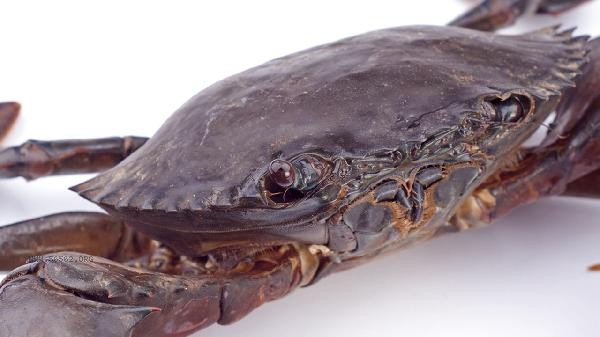
Before steaming crabs, it is necessary to thoroughly clean and remove sediment and bacteria, with a focus on handling crab shells, belly and navel, crab claws, and other parts. Crab surfaces often adhere to sediment and microorganisms, and need to be repeatedly brushed with a hard bristled brush and running water. The concave part of the crab shell is prone to accumulating dirt and grime, and it is necessary to open the crab cover to clean the internal organs and gills. The connection between the belly and crab legs should be cut open with scissors and rinsed, and the fuzz of the crab claws should be carefully cleaned with an old toothbrush. When cleaning live crabs, they can be soaked in diluted salt water to promote sand spitting. Dead crabs should be checked for any odor before disposal. If the crab is tied with grass rope, it is recommended to replace it with food grade cotton rope. Individuals with damaged crab shells or detached crab legs may pose a risk of spoilage and are not recommended for consumption. After cleaning, it can be soaked in ginger water or Baijiu for ten minutes to further sterilize, but those with allergic constitution should use it with caution. To avoid being injured by crab claws during the handling process, thick gloves can be worn for operation.

The cleaned crabs should be steamed as soon as possible to avoid long-term storage and bacterial growth. Putting ginger slices on the crab belly before steaming can remove fishy smell and enhance freshness, and steaming with perilla leaves or chrysanthemum water can neutralize coldness. When consuming, it is recommended to warm the stomach with ginger vinegar juice. For those with spleen and stomach deficiency and cold, it is not advisable to consume more than two at a time. Gout patients should control their intake. The remaining crab meat needs to be refrigerated and consumed within 24 hours.









Comments (0)
Leave a Comment
No comments yet
Be the first to share your thoughts!