
The key to cleaning and removing odors from cow intestines lies in thoroughly removing oil and mucus, and repeatedly kneading with natural cleaning materials such as flour and white vinegar. There are mainly methods such as rinsing with running water, adsorbing flour, soaking in white vinegar, scrubbing with salt, and blanching.
1. Rinse with running water
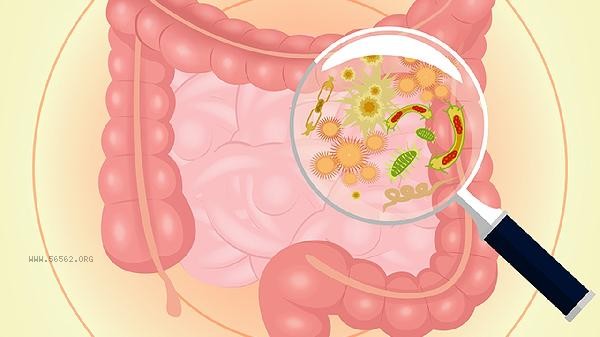
Flip the inside and outside of the cow intestine and rinse it under flowing water. Use your fingers or chopsticks to scrape off any mucus and impurities attached to the intestinal wall. Flowing water can remove most of the surface dirt and initially reduce the fishy smell. During flushing, pay attention to checking the intestinal wall for any damage or abnormal nodules, and if necessary, remove the affected area.
2. Flour Adsorption
Evenly sprinkle flour on the inside and outside of the cow intestine and let it stand for 10 minutes. The flour particles can effectively adsorb oil and odor molecules. Friction between flour and intestinal wall during kneading can remove deep mucus, and the processed flour appears grayish yellow and needs to be thoroughly washed clean. This method is particularly suitable for treating hypertrophic intestinal head areas.
3. Soaking in white vinegar
Soak cow intestines in diluted white vinegar water for 20 minutes. Acetic acid can decompose odorous substances such as sulfur-containing compounds. It is recommended to maintain a water temperature of around 40 ℃ to activate acetic acid activity. After soaking, the intestinal wall will become smooth and transparent. People who are sensitive to vinegar can use lemon juice as a substitute, but the deodorizing effect is slightly weaker.
4. Rubbing with salt
Coarse salt particles and repeated rubbing with cow intestines can damage the lipid cell membrane and promote the leakage of odorous substances. Every 500g of beef intestines needs about 30g of salt. Rub it until white foam is formed on the surface of the intestines and rinse it. This method can enhance the toughness of the casing and is suitable for subsequent cooking methods such as braising or stir frying.
5. Blanch the treated beef intestines in cold water, add ginger slices and cooking wine, and boil for 3 minutes. Blanching can emulsify and float residual oil, while protein solidifies and locks in freshness. Pay attention to immediately supercooling after blanching to maintain crispness and tenderness. This step can eliminate over 90% of residual odors.
After cleaning, it is recommended to cook and consume the cow intestines within 24 hours, and they should be frozen for temporary storage. Before cooking, you can use Sichuan pepper water or beer to remove the fishy smell twice. When braising, add spices such as hawthorn and tangerine peel to help soften the fiber. Daily handling suggestions include wearing gloves to avoid the attachment of fishy odors, and washing cutting tools with hot water. If there are black spots or a putrid odor on the intestinal body, it should be discarded and not forced to be consumed.








Comments (0)
Leave a Comment
No comments yet
Be the first to share your thoughts!