
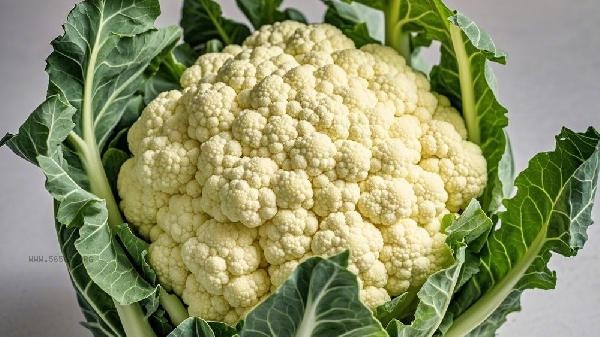
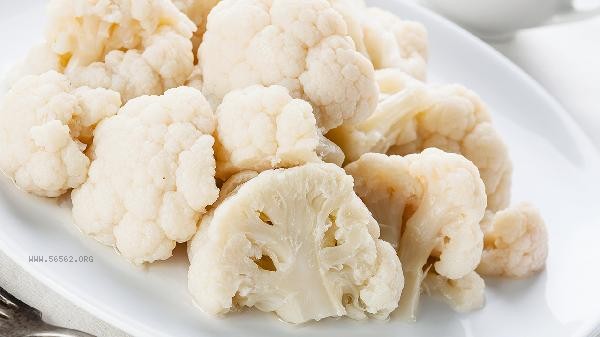
When cleaning cauliflower, it is recommended to cut it first, soak it in light salt water, and rinse it with running water. The structure of cauliflower is tightly packed and prone to accumulating dirt and grime, requiring a dual approach of physical flushing and chemical decomposition to remove pesticide residues and insect eggs. The surface of cauliflower is uneven and the flower buds are dense, making it difficult to thoroughly clean with simple rinsing. Cut the cauliflower into small pieces and place them in a basin. Add a small amount of baking soda or salt and soak in water for about ten minutes. Baking soda can decompose some fat soluble pesticide residues, while salt can promote the shedding of insect eggs. Gently stir the cauliflower during soaking to help remove impurities from the gaps, then rinse it repeatedly with flowing water at least three times, with a focus on rinsing the junction between the stem and flower buds. If obvious wormholes or discolored parts are found, they should be removed directly. Some cauliflower may be sprayed with excessive pesticides or suffer from severe pest infestations, and the soaking time should be extended to twenty minutes. An additional spoonful of white vinegar can be added to enhance the sterilization effect, but it should be noted that vinegar may affect the taste of cauliflower. For organically grown cauliflower, although the risk of pesticide residues is low, it is still recommended to rinse with running water to remove dust. After cleaning, it is recommended to blanch to further reduce residue, as blanching can also shorten the subsequent cooking time.
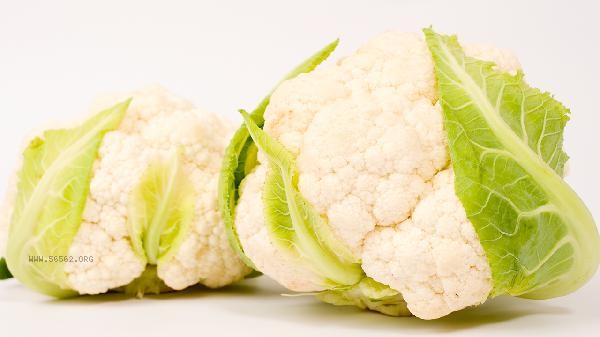
After cleaning, cauliflower should be cooked as soon as possible to avoid nutrient loss, and stored dry to prevent mold growth. When making daily purchases, prioritize fresh cauliflower with tight flower buds and no black spots to reduce the difficulty of cleaning. Before cooking, you can keep some of the stem outer skin as a handheld part, which is convenient for cleaning and can prevent flower buds from scattering. Regularly rotating different cleaning methods can more comprehensively ensure food safety.








Comments (0)
Leave a Comment
No comments yet
Be the first to share your thoughts!