
It is recommended to use flour scrubbing, salt water soaking, white vinegar rubbing, boiling water blanching, baking soda cleaning and other methods to treat beef tripe and intestines, which can effectively remove dirt and odors.
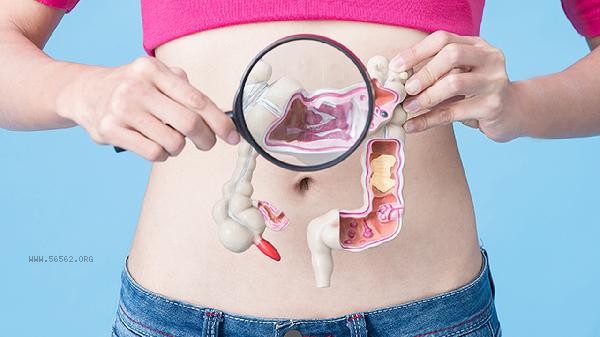
1. Flour Rubbing
Sprinkle dry flour on the surface of beef tripe or intestines and rub repeatedly. The adsorption of flour can take away mucus and impurities. After scrubbing, rinse with clean water and repeat the process two to three times. This method is suitable for preliminary cleaning of surface mucus, especially for the cleaning effect on the folds of the bovine intestine.
2. Salt water immersion
Soak in high concentration salt water for more than 30 minutes, as salt can penetrate the tissue decomposition residue. The tripe needs to be flipped over to ensure that both the inside and outside are soaked properly, and the intestines can be cut open and processed in sections. Saltwater can also preliminarily kill bacteria, and after soaking, it needs to be thoroughly rinsed with running water.
3. Rub with White Vinegar
Mix white vinegar with water in a ratio of 1:3, and use this solution to scrub the inner and outer walls of the ingredients. Acetic acid can soften the stratum corneum and neutralize odors, with outstanding cleaning effects on the nipple like protrusions and intestinal lining of cattle. Rinse with cold water after processing to avoid residual vinegar odor.
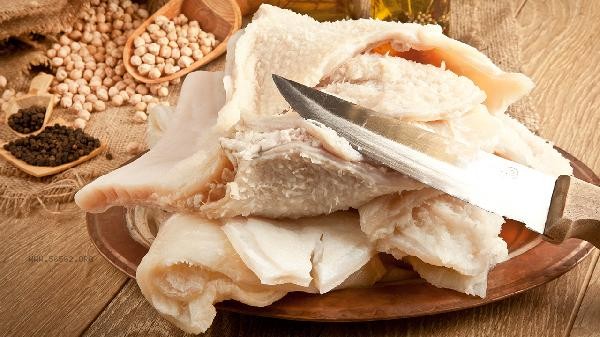
4. Boil the cleaned beef tripe and intestines in boiling water for 1-2 minutes. High temperature can emulsify residual fat for easy scraping. After blanching beef tripe, the yellow film can be scraped off with a knife, and the inner wall fat layer of beef intestines can be cut open and scraped off. Note that blanching for too long can cause the taste to harden.
5. Baking soda cleaning
Finally, rubbing with baking soda solution can completely remove the fishy smell. Add 10 grams of baking soda per liter of water, soak for 15 minutes, and rub. The alkaline environment can decompose fatty acids. After this step, rinse with running water for at least 3 minutes to avoid residual alkali solution affecting food safety.
When handling animal organs, attention should be paid to hygiene and protection. It is recommended to wear gloves for operation, and all utensils that have come into contact with raw meat should be disinfected with boiling water. The cleaned beef tripe and intestines should be cooked as soon as possible. If they need to be stored, they should be drained and refrigerated for no more than 24 hours. Ingredients with strong odors or abnormal colors should be discarded to ensure food safety. Before cooking, ginger slices, cooking wine, and other deodorizing seasonings can be used to enhance the flavor.








Comments (0)
Leave a Comment
No comments yet
Be the first to share your thoughts!