
Crab cleaning requires first scrubbing the shell and removing the internal organs. Cooking can be done using methods such as steaming or stir frying. Crabs are rich in nutrients but have a cold nature. It is recommended to consume them with ginger vinegar. People with spleen and stomach deficiency and cold should control their intake.
1. Cleaning method
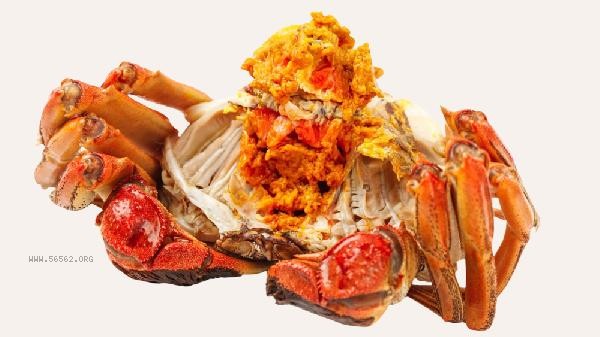
Live crabs need to be brushed with a hard bristled brush and running water to clean the outer shell and belly cover, with a focus on cleaning the mud and sand attached to the joint gaps. Cut off the crab navel and open the belly cover, remove the gray strip crab intestine and triangular crab stomach, and tear off the crab heart and gill like structures on both sides. The processed crab body can be cut in half or kept intact, and soaked in cooking wine and ginger slices to remove the fishy smell. Dead crabs are prone to bacterial growth and should be discarded to avoid being pinched by crab claws during the cleaning process.
2. Steaming method
Steaming in cold water can keep the crab meat fresh and tender. Place the crab belly facing up to prevent the loss of crab roe. Steam 500g of crab over high heat for 12-15 minutes. Use perilla leaves as a base or ginger slices on the surface to remove coldness and enhance fragrance. Steaming for too long can cause the meat to turn dry, and the crab shell to turn completely red and mature. Paired with ginger powder and vinegar juice, it can neutralize coldness. Crab stomachs and hearts contain toxins that are not edible.
3. Spicy stir fry
Heat oil and saut é scallions, ginger, garlic, and dried chili peppers. Dip the cut of the processed crab pieces in starch to lock in the freshness. Stir fry over high heat until the crab shell turns red, then add beer and simmer for 3 minutes to remove fishy smell and enhance freshness. Pixian Douban Sauce and Sichuan Pepper give it a spicy flavor, and sprinkle cilantro before cooking to enhance the aroma. Crab claws need to be cracked for easy digestion, and discarded parts such as the gastrointestinal tract should be removed in advance to avoid accidental ingestion.
4. Typhoon Shelter Flavor
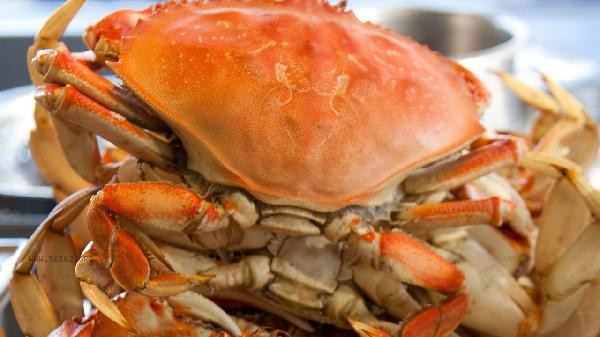
Stir fry minced garlic over low heat until golden brown to make golden garlic. Fry breadcrumbs until crispy and set aside. After frying the crab chunks until the shell is crispy, stir fry them with garlic, fermented black beans, and chili peppers. The salty and slightly spicy taste highlights the natural flavor of crab meat, and the frying temperature is controlled at 180 degrees to avoid burning. Crab roe is prone to loss and needs to be treated separately. Small crab shell fragments should be removed when consumed by children.
5. Sauce stew method
Mix soybean sauce and seafood sauce in a 1:1 ratio, add rock sugar and flower carving wine to make the sauce. After frying the crab chunks until they are set, add sauce and simmer over low heat for 8 minutes. When collecting the sauce, drizzle with sesame oil to enhance brightness. The strong sauce aroma is suitable for pairing with rice cakes or potatoes, and the crab cover can be steamed separately with egg custard. People with allergies should consume with caution, as histamine produced by dead crabs can easily cause poisoning. Crabs are rich in high-quality protein and zinc, but their cholesterol content is high and should be consumed in moderation. Before cooking, make sure the crabs are fresh. Crabs that have been dead for more than 2 hours may produce toxins. Avoid consuming with persimmons and strong tea to prevent discomfort caused by the combination of tannic acid and protein. People with weak spleen and stomach can warm their stomach with perilla leaves or ginger tea. Gout patients should control their intake. The remaining crab meat needs to be refrigerated and consumed within 24 hours, and then thoroughly steamed when heated.








Comments (0)
Leave a Comment
No comments yet
Be the first to share your thoughts!