
When cleaning and handling bound crabs, they should be kept in a tied state to avoid being pinched. Before processing, it is necessary to prepare tools such as brushes and scissors, and complete the steps of rinsing with running water, brushing the shell, cutting the rope and cooking. The binding state of crabs can effectively prevent them from struggling and injuring people. When cleaning, the sediment attached to the shell can be directly rinsed with running water. Choose a hard bristled brush to gently brush the crevices and abdomen of the crab shell, avoiding the range of motion of the crab claws. If further processing is required, the binding rope can be cut and quickly placed in boiling water for steaming. High temperatures can quickly cause the crab to lose its ability to move.
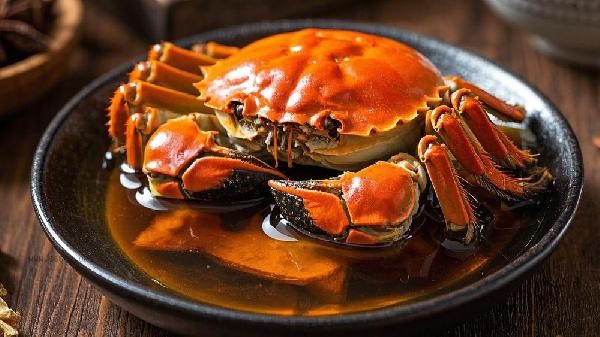
Some special species, such as green crabs, have extremely strong claws. It is recommended to keep them tied up throughout the entire process until steamed. If obvious damage or odor is found on the crab body, it may be dead and not suitable for consumption. When dealing with live crabs, move quickly to reduce their pain time, and disassemble and consume them promptly after steaming. Crab is a cold food and can be cooked with ginger vinegar to dispel the cold. People with spleen and stomach deficiency and cold should not eat too much. During the processing, avoid cross contamination between raw and cooked food, and ensure sufficient cooking time to ensure sterilization. Remove inedible parts such as crab hearts and stomachs when consuming, and pair with warm yellow wine or perilla leaves to neutralize coldness. Children and those with allergies should consume with caution.









Comments (0)
Leave a Comment
No comments yet
Be the first to share your thoughts!