
The selection of the sweetest kiwifruit mainly depends on its appearance, texture, aroma, and maturity. Key indicators include skin color, softness, stem condition, aroma concentration, and storage time.
1. Skin color
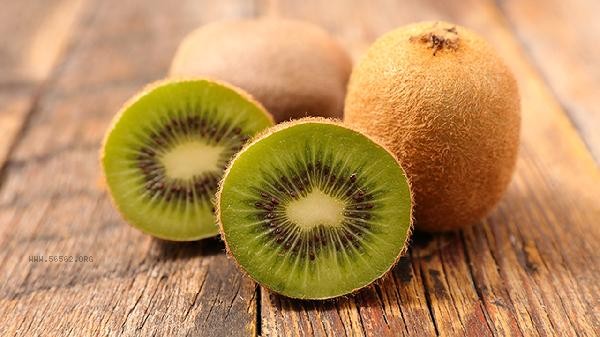
Kiwi fruit with high maturity have a uniform brown or yellow brown skin, and the surface fuzz naturally falls off. Avoid choosing fruits that are green or partially green, as these kiwis are usually not fully ripe and have lower sweetness. Dark spots on the skin may indicate overripe or bumped marks, and careful selection is necessary.
2. Softness and Softness
It is best to lightly press the two ends of the fruit with your fingers, which should be slightly soft and elastic. If it is too hard, it indicates immaturity, and if it is too soft, it may have rotted. Be careful not to choose fruits with obvious indentations or localized softening, as these kiwis may experience internal spoilage. When purchasing, gently pinch the shoulder of the fruit to feel the overall softness and hardness uniformity.
3. Fruit Stem Condition
The fresh kiwi fruit has a green and slightly moist stem, and a dry and blackened stem indicates that the harvesting time has been too long. The appearance of wrinkles or exudation around the fruit stem indicates that the fruit has begun to lose water and the sweetness will decrease. When selecting, you can gently scrape the fruit stem with your nails, as fresh fruits will release a small amount of transparent juice.
4. Aroma concentration
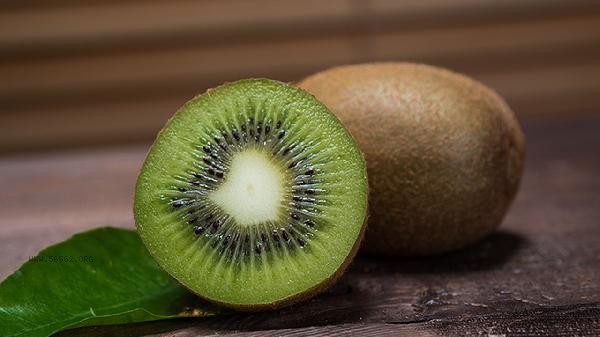
Mature kiwifruit can be smelled with obvious fruit aroma near the stem, and the richer the aroma, the higher the sweetness. If there is a taste of alcohol or sourness, it may result in overripe fermentation. Multiple kiwi fruits can be gently rubbed in the palm of your hand. High quality fruits will release a fresh and sweet aroma, while fruit without aroma may not be fully ripe.
5. Storage Time
Newly launched kiwifruit should be left at room temperature for 3-5 days until it ripens and the sweetness reaches its peak when the flesh becomes soft. When purchasing, you can choose slightly harder fruits to ripen at home and avoid purchasing too soft fruits directly. Sealed storage with apples or bananas can accelerate ethylene release and shorten ripening time by 1-2 days.
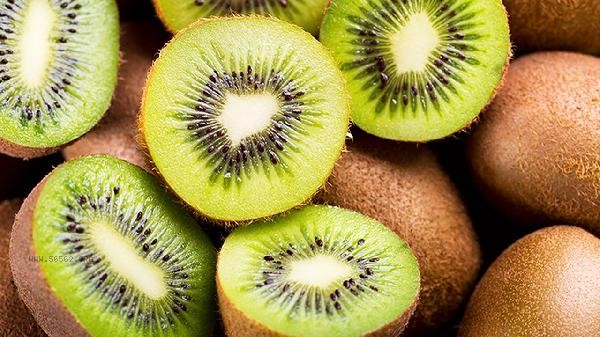
It is recommended to store the selected kiwifruit in a cool and ventilated place, avoiding direct sunlight or refrigerating immature fruits. Mature fruits can be refrigerated for 2-3 days and should be consumed as soon as they are cut open. Rubbing the fruit lightly with your palm before consumption can make the flesh softer and the sweetness more evenly distributed. Paired with yogurt or oats, it can balance the acidity of kiwifruit. For those with gastrointestinal sensitivity, it is recommended to eat it without skin to reduce irritation. Consuming 1-2 servings daily can meet the demand for vitamin C, excessive intake may cause oral discomfort.








Comments (0)
Leave a Comment
No comments yet
Be the first to share your thoughts!