
Choosing high-quality shiitake mushrooms can be comprehensively judged through five aspects: observing the appearance, smelling the aroma, touching the texture, looking at the gills, and checking the color.
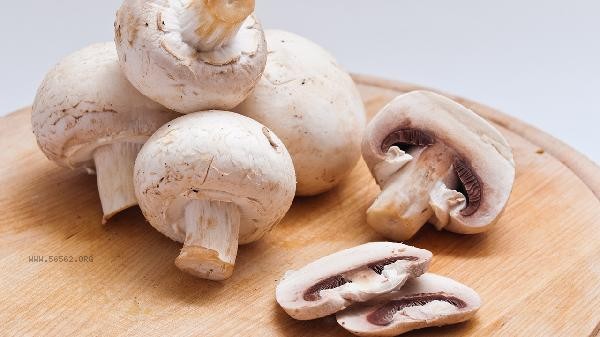
First, observe the appearance.
The high-quality mushroom cap should be a complete circle or semi-circular shape, with no damage to the edges, and a diameter of 3-8 centimeters is preferred. The surface of the cap should have natural texture, unevenness but no abnormal spots. The stem is short and thick, with a length not exceeding one-third of the diameter of the cap, and there is no looseness at the connection with the cap. Mushrooms that are deformed, cracked, or overgrow may be stored improperly or of poor quality.
2. Smell
Fresh shiitake mushrooms have a rich and unique fragrance, with a natural aroma of soil and wood. Rotten mushrooms may emit a sour, moldy, or chemical odor. Some vendors use sulfur fumigation to extend the shelf life of these mushrooms, which have a pungent odor and may pose a health hazard if consumed for a long time. Dried shiitake mushrooms should maintain their rich aroma in a dry state.
3. Texture
Fresh shiitake mushrooms have a tight and elastic texture, and can quickly rebound after light pressure. The surface of the mushroom cap is slightly moist but not sticky to the hands, and the thickness of the mushroom flesh is uniform. Poor quality shiitake mushrooms have a soft or sticky texture, and when pressed, they may sink or leak water. Dried shiitake mushrooms need to be checked for dryness and crispness, as damp products are fragile and may breed mold. Note that there should not be too much lignified fibers at the bottom of the mushroom stem.
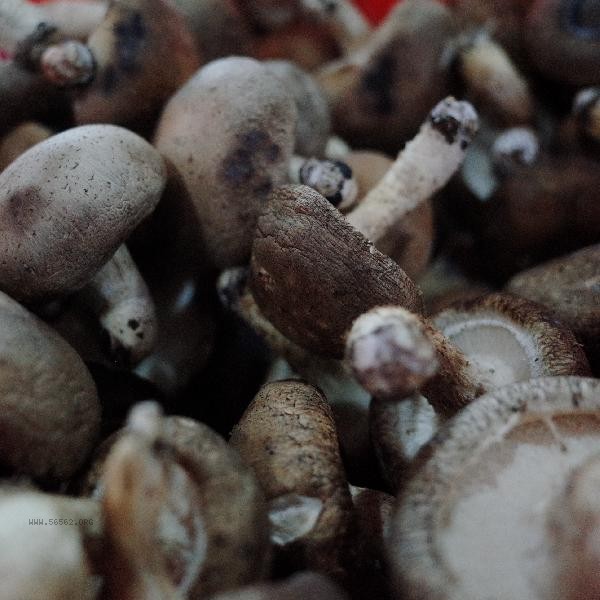
4. Check the gills.
The gills on the inside of the cap should be arranged tightly and neatly, with a color ranging from milky white to light brown. Fresh shiitake mushrooms have smooth and undamaged edges with no black or green mold spots. The darkening, adhesion, or appearance of mucus in the gills indicate the beginning of decay. The gills of dried shiitake mushrooms should maintain their intact shape, and excessive fragmentation may be due to improper processing or prolonged storage time.
Fifth, check the color
Normal mushroom caps have a uniform light brown to dark brown color, with fine hairs on the surface. Abnormal whitening of color may have been treated with bleaching, and dark patches may be a sign of decay. Wild shiitake mushrooms usually have darker colors than artificially cultivated varieties, but caution should be taken that varieties with overly bright colors may be toxic. Dried shiitake mushrooms are best in brownish yellow color, while those that turn black or gray have poorer quality.
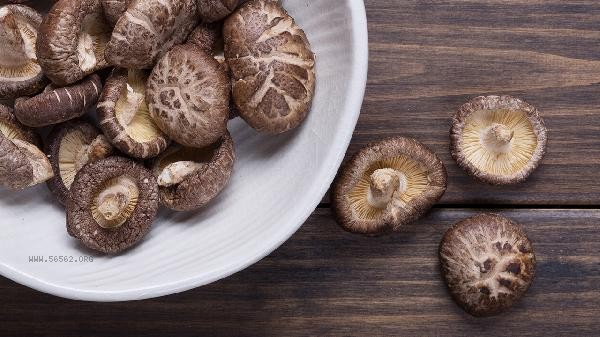
When making daily purchases, priority should be given to products with formal packaging and shelf life labels. Bulk mushrooms should be stored in a hygienic environment. Fresh shiitake mushrooms are recommended to be refrigerated and consumed within 3-5 days. Before cooking, rinse quickly with running water to avoid prolonged soaking. Soak dried shiitake mushrooms in warm water before use, and the soaking water can be retained for freshness enhancement. Mushrooms are rich in polysaccharides and various minerals, but gout patients need to control their intake. Stewing or stir frying meat together can better release its umami substances and avoid affecting the flavor when eaten with acidic seasonings such as vinegar.








Comments (0)
Leave a Comment
No comments yet
Be the first to share your thoughts!