
Selecting sweet yellow skinned cantaloupe can be achieved by observing its appearance, pressing its hardness, smelling its aroma, inspecting its stem, and comparing its weight. Sweet cantaloupe usually has a uniform yellow skin, slight elasticity, rich fruit aroma, dry fruit stems, and a heavy texture.
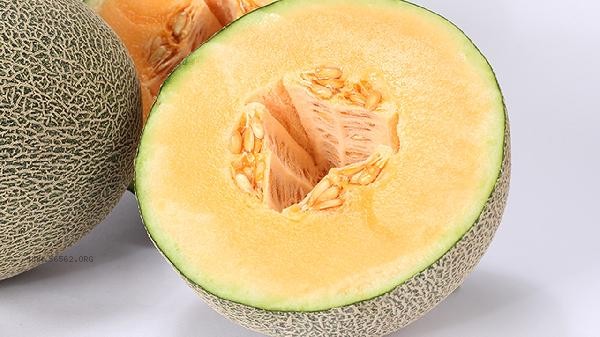
1. Appearance color
The mature yellow skinned cantaloupe has a uniform golden yellow skin, and avoid choosing melons with large areas of blue-green or mottled color. The surface mesh should be clear, raised, and densely distributed, and the rougher the texture, the higher the sweetness. Pay attention to checking the skin for any damage or dents, as such damage may cause the flesh to spoil.
2. Press Test
Gently press the navel of the high-quality cantaloupe with your thumb, and it will slightly sink and quickly rebound. If it is too hard, it indicates that it is not fully mature; if it is too soft, it may be too ripe or rotten. At the same time, you can lightly tap the melon body. If the sound is dull and thick, the flesh is usually fuller and more juicy, while a hollow sound may indicate loose flesh.
3. Fruit aroma concentration
Mature cantaloupe will emit a rich sweet aroma, especially at the fruit stem where the scent is most pronounced. If you smell a fermented or sour taste, it indicates that it has gone bad. Melons without aroma are usually harvested too early and have insufficient sweetness accumulation. Melons can be left at room temperature for 1-2 days to promote ripening, but melons with insufficient aroma are difficult to enhance sweetness through storage.
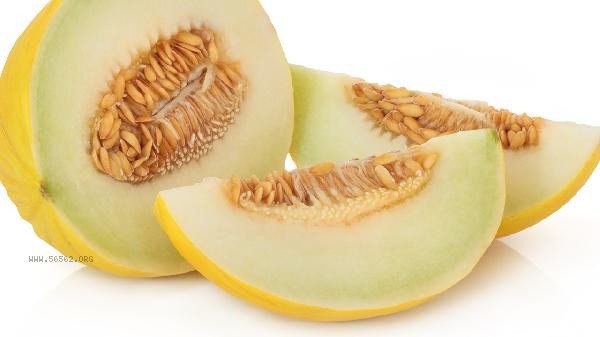
4. Fruit Stem Condition
Freshly picked high-quality Hami melon fruit stems are in a naturally withered and dry state with slight wrinkles. If the clitoris is green and moist, it may be due to early harvesting and insufficient accumulation of sweetness. Pay attention to the absence of mold or exudate around the stem, as this type of melon is prone to rotting from the stem.
5. Weight Comparison
Choosing a melon body with a heavier texture for the same volume indicates higher moisture and sugar content. You can hold a melon of similar size in both hands for comparison, with a significant difference in weight. Melons that are too light may have dried flesh due to lack of water during growth, resulting in a decrease in sweetness and taste.

It is recommended to store the selected cantaloupe in a cool and ventilated place. After cutting, it should be refrigerated and consumed as soon as possible. Uncut intact melons can be placed at room temperature to ripen, but avoid direct sunlight. You can refrigerate melons for 2 hours before consumption to enhance their taste, but long-term refrigeration can cause frostbite. Paired with a small amount of lemon juice, it can highlight the sweetness and complement the flavor with ham and cheese. Special groups such as diabetes patients need to control the single intake, and it is recommended to take small amounts of them in batches.








Comments (0)
Leave a Comment
No comments yet
Be the first to share your thoughts!